Electricians are the unseen heroes who transform chaos into reliable, safe power systems for our homes. Their mastery involves meticulous planning, precise wiring, and strict adherence to safety standards, ensuring that modern living remains seamless and secure. Yet, how do these professionals navigate the complexities of evolving codes, advanced tools, and intricate layouts in every project? This work demands ongoing learning, from reading blueprints and handling specialized tools to troubleshooting complex problems efficiently. As homes become smarter and more connected, electricians must stay ahead with continuous education, embracing innovations like IoT devices, smarter circuit breakers, and energy-efficient systems. Their expertise not only prevents hazards but also shapes the future of safe, sustainable living. Are we truly aware of the skill and dedication required to keep our world powered and protected?
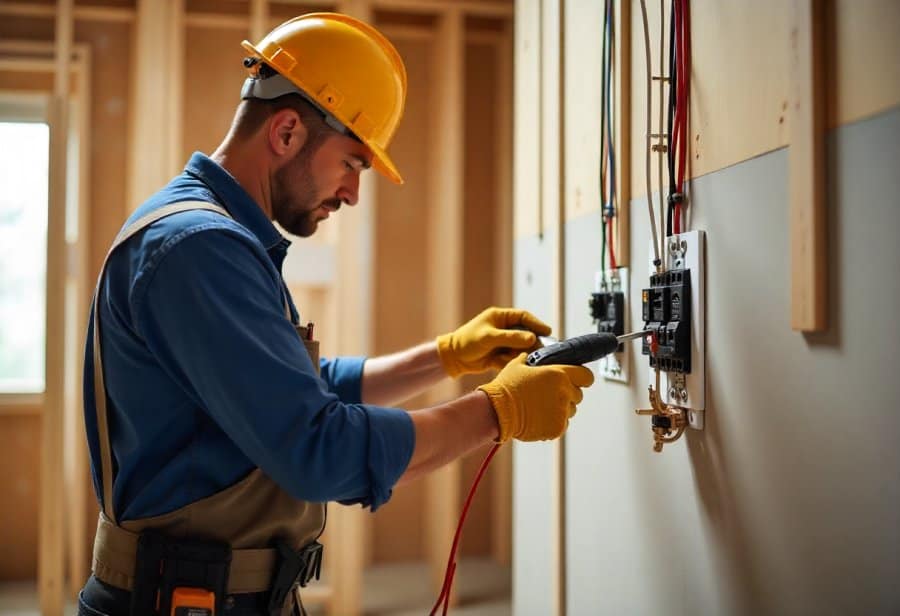
Mastering Electrical Safety: Building Trust and Reliability in Power Systems
Electricians play a crucial role in making sure our homes and buildings are powered safely and dependably. Their expertise goes far beyond simply connecting wires; it involves designing systems that adhere to strict safety standards and prevent hazards like shocks, fires, or outages. This mastery stems from a thorough understanding of electrical theory, precise wiring techniques, and a sharp eye for detail. When electricians plan and install systems carefully, they turn complex layouts into organized, reliable circuits that support everyday life.
Safety isn’t just a set of rules for electricians—it’s a mindset they develop through ongoing practice and learning. From reading blueprints accurately to using specialized tools, every step requires focus and skill. Properly interpreting wiring diagrams ensures correct connections, reducing the risk of overloads or short circuits. Using insulated tools and verifying circuits before working on them are simple habits that protect both the electrician and the homeowner, helping to prevent accidents before they happen.
Mastering safety procedures also means staying current with evolving codes and standards. Electrical regulations change as new safety technologies and materials emerge, so electricians must keep their knowledge up to date. Compliance isn’t just about passing inspections; it ensures the systems they build are inherently safe, durable, and efficient. This commitment to standards guarantees that every project meets legal requirements while maintaining the highest safety levels, giving homeowners confidence in their electrical systems.
The tools electricians rely on—wire strippers, voltage testers, circuit analyzers—are designed to enhance both safety and precision. Knowing how to use them correctly is fundamental. Proper tool handling helps prevent accidents, ensures high-quality work, and facilitates accurate testing and troubleshooting. Whether pulling wires through tight spaces or verifying circuits, these tools make complex tasks manageable and safe, transforming technical plans into real-world, reliable electrical systems.
Troubleshooting is an essential part of an electrician’s skill set. When issues arise, they systematically test circuits, inspect connections, and identify faulty components. This process requires technical knowledge combined with practical experience. Using diagnostic tools like circuit analyzers, electricians quickly pinpoint problems—saving time and preventing small issues from escalating into dangerous failures. Their ability to diagnose and repair efficiently helps keep electrical systems safe and dependable.
Electricians don’t just wire homes—they create systems that support modern life with confidence and safety. Their mastery depends on continuous learning, precise execution, and a dedication to safety standards. This blend of knowledge and skill ensures that each system they install is not only functional but built to last. Their work underpins the safety and reliability of our daily routines, making sure that chaos is replaced with dependable power.
As homes become smarter and more connected, the importance of electrician mastery continues to grow. Staying ahead means embracing new safety technologies, understanding advanced materials, and adapting to evolving standards. Electricians who prioritize ongoing education and hands-on practice are better equipped to build safe, efficient, and future-proof electrical systems. Their expertise turns technical complexity into reliable, everyday solutions that keep our modern lives running smoothly.
Essential Skills for Safe and Effective Wiring
Electricians must master a core set of skills and knowledge to work safely and effectively with electrical systems. Reading blueprints and wiring diagrams is fundamental—these serve as detailed maps guiding every step of a project. Accurately interpreting these plans helps prevent mistakes like overloaded circuits or incorrect connections, which can lead to hazards. Precision in understanding the layout ensures that each component is positioned correctly, reducing risks from faulty wiring.
Safety procedures are the foundation of daily practice. Turning off power before starting work, using insulated tools, and verifying circuits with voltage testers are simple yet vital habits. These steps protect electricians from shocks and prevent accidental damage. Consistently applying such safety measures creates a culture of caution that minimizes accidents and promotes reliable work.
Staying current with electrical codes and standards is equally critical. Regulations evolve as new safety technologies and materials emerge. Regular review of local and national standards ensures that installations meet the latest safety benchmarks. This ongoing knowledge helps electricians avoid violations and guarantees that their work aligns with best practices, ultimately safeguarding homeowners and occupants.
Handling tools properly is another essential skill. Electricians rely on specialized equipment—wire strippers, circuit testers, fish tapes—to do their job efficiently. Proper use of these tools not only speeds up installation but also enhances safety by reducing the risk of damage or injury. Skillful handling ensures clean, secure connections and makes troubleshooting more straightforward.
Troubleshooting demands both technical know-how and practical experience. Electricians systematically test circuits, inspect connections, and identify faults. Using diagnostic tools like circuit analyzers, they efficiently isolate problems—saving time and preventing issues from worsening. This methodical approach requires patience, sharp attention to detail, and familiarity with different wiring scenarios, especially in older or complex systems.
In all these aspects, continuous practice and education are key. Electricians who regularly update their skills through training and stay informed about industry changes build confidence and competence. This commitment translates into safer, more reliable electrical systems, ensuring they can meet the demands of modern homes and adapt to future innovations.
Expert Residential Electrical Services in Greater Toronto Area
North York Electricians (NYE) is your premier choice for comprehensive electrical solutions in the Greater Toronto Area. Specializing in residential wiring and installation, NYE offers top-tier Professional electrical installation, including smart switches, thermostats, security systems, and home automation to enhance your living space. Our expert residential electricians excel in lighting design, upgrades, and energy-efficient solutions like eco-friendly LED lighting and sustainable electrical designs. Whether you need electrical repairs, troubleshooting, or upgrading to energy-saving panels, NYE provides reliable and innovative lighting and electrical service. Contact us today at (416) 508-0206 or visit https://electriciansnorthyork.com/ for expert electrical services tailored to your home.
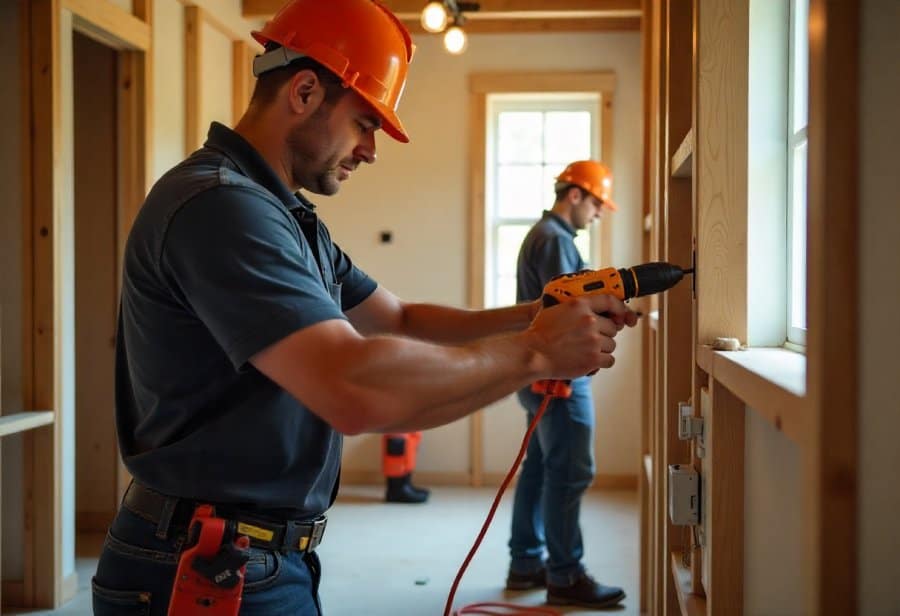
Practical Wiring and Troubleshooting: Turning Plans into Reliable Systems
Electricians rely heavily on practical skills when it comes to installing and troubleshooting electrical systems in homes. Their work begins with assessing each space, understanding the specific electrical needs, and designing detailed wiring layouts that account for the home’s structure, outlets, switches, and fixtures. Correctly sizing wires and choosing appropriate materials are crucial steps that help prevent issues like overloads or short circuits later on. Careful planning ensures that the wiring is both safe and efficient, providing a solid foundation for reliable operation.
During installation, electricians follow a systematic process to ensure safety and precision. They pull wires through walls and conduits using tools like fish tapes, making sure each wire follows the planned route without damage. Connections must be tight and secure, with attention paid to proper wire gauges and grounding. Keeping wires organized during this process not only enhances safety but also simplifies future troubleshooting, reducing the chance of accidental disconnections or faults.
Troubleshooting electrical problems demands a methodical approach. Electricians start by gathering information about the symptoms and conducting visual inspections for obvious signs of damage. They then turn off power and verify circuits with voltage testers to ensure safety before proceeding. If initial checks don’t reveal the issue, they employ diagnostic tools such as circuit analyzers or continuity testers to isolate faults. This thorough process allows them to identify the root cause efficiently, often in tight or complex spaces.
Once a problem is pinpointed, electricians carry out repairs or replacements with precision. They might replace damaged wires, tighten loose connections, or upgrade outdated components to meet current safety standards. After repairs, they re-test the system to confirm everything functions correctly and safely. This hands-on work requires patience, attention to detail, and a deep understanding of how different parts of the electrical system interact.
Handling these practical tasks often presents challenges, especially in limited spaces inside walls, ceilings, or cabinets. Navigating intricate layouts—particularly in older or custom-built homes—requires creativity and problem-solving skills. Electricians must adapt quickly, finding routing solutions that maintain safety standards without sacrificing functionality. Their ability to think on their feet ensures that even the most complicated wiring projects are completed reliably.
Throughout all these activities, safety remains a top priority. Electricians rely on insulated screwdrivers, wire strippers, voltage testers, and other specialized tools designed to protect them and ensure quality work. Proper tool use, combined with verifying circuits before touching wires, helps prevent shocks, short circuits, and fires. Developing good habits around safety protocols minimizes risks and fosters a culture of caution on every job site.
By translating technical concepts into practical execution, electricians turn complex plans into dependable, safe electrical systems. Their hands-on expertise—paired with careful planning and a commitment to safety—ensures homes are wired correctly from the start. This skillful craftsmanship not only reduces future problems but also provides homeowners with peace of mind, knowing their electrical systems are built to last.
Adhering to established safety standards and codes is essential for every electrician, ensuring that the work meets legal and safety requirements. Continuous education and certification also play a vital role in maintaining high standards of workmanship. For more information on best practices, visit Electrical safety standards and codes for residential wiring.
Pathways to Expertise: Training, Certification, and Lifelong Learning
Becoming a skilled electrician begins with a solid educational foundation that combines classroom instruction with hands-on training. Technical schools and vocational programs teach the basics of electrical theory, safety protocols, and local building codes, providing students with the essential knowledge needed to start their careers. These programs ensure that aspiring electricians understand how electrical systems operate and how to work safely around live wires, setting the stage for more advanced learning.
After completing initial training, many electricians enter apprenticeship programs, which are crucial for gaining real-world experience. Working under the supervision of experienced professionals, apprentices apply their classroom knowledge to actual projects—reading blueprints, installing wiring, troubleshooting issues, and handling tools safely. This on-the-job training typically lasts several years, allowing apprentices to develop confidence, refine their skills, and become familiar with the nuances of different wiring scenarios.
Passing licensing exams marks a key step in establishing credibility and independence. These tests evaluate an electrician’s understanding of electrical codes, safety standards, and technical procedures. Earning a license confirms that the professional is qualified to work unsupervised, ensuring they meet industry standards for safety and competence. Licensing also provides assurance to homeowners and clients that the work will be done to a high, standardized level.
However, learning doesn’t stop after licensing. The electrical field is constantly evolving with new technologies, materials, and safety practices. Electricians must pursue ongoing education through courses, seminars, and specialized certifications to stay current. This continuous development helps them incorporate the latest safety features, energy-efficient systems, and smart technology into their work. Staying updated not only enhances their skills but also boosts their credibility and marketability in a competitive industry.
Ongoing training and professional growth are vital for maintaining high standards of safety and quality. Electricians who commit to lifelong learning are better equipped to handle complex projects, adapt to technological advancements, and ensure their work continues to meet or exceed safety regulations. This dedication fosters trust with clients and helps uphold the integrity of the profession, ensuring electrical systems remain safe, reliable, and future-proof for years to come.
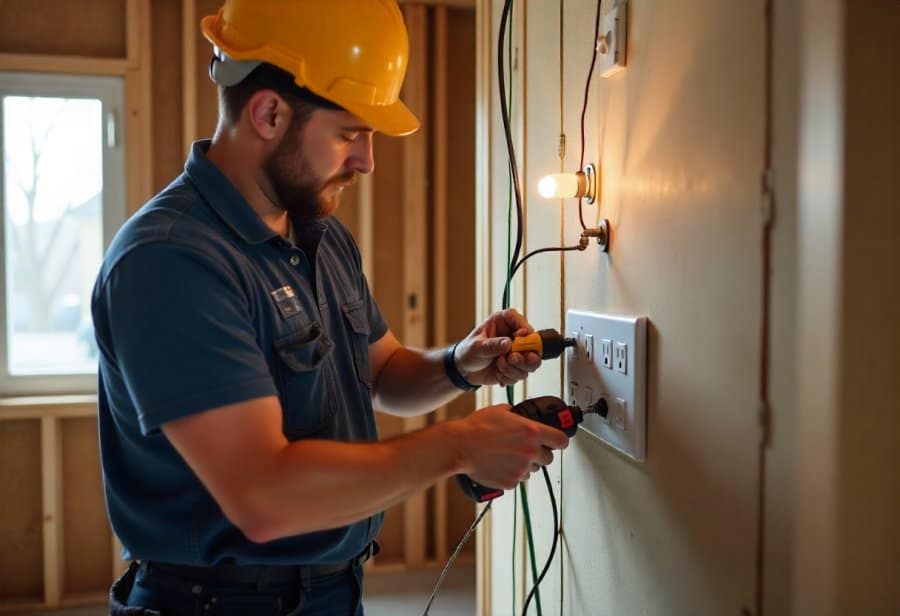
Innovating for the Future: Embracing Trends and Continuous Improvement in Electrical Safety
As technology advances at a rapid pace, the future of electrical safety and system design is becoming increasingly integrated and smarter. Connected devices and smart home systems are transforming how we manage and monitor electrical systems, allowing homeowners and electricians to detect issues remotely and respond before problems escalate. Real-time alerts from IoT-enabled devices help prevent hazards like overloads or faulty wiring, making homes safer and more efficient. This shift toward automation not only enhances safety but also offers greater convenience, giving users more control and peace of mind.
Alongside these innovations, new safety materials and protocols are emerging to address the complexities of modern wiring. Advanced insulation, circuit protection devices, and smarter circuit breakers are designed to reduce risks such as shocks and fires. As standards incorporate these technological advancements, electricians must stay updated on evolving regulations and best practices. Continuous learning ensures they can effectively implement new tools and techniques, making residential systems more resilient and secure against potential hazards.
Automation and digital diagnostic tools are reshaping how electrical issues are identified and resolved. Smart testers and predictive maintenance systems enable electricians to diagnose faults more accurately and quickly, often before homeowners notice any signs of trouble. This data-driven approach minimizes downtime and prevents small problems from becoming dangerous or costly failures. As automation becomes more prevalent, electricians will increasingly rely on real-time data and analytics to perform precise repairs, streamlining troubleshooting and improving overall system reliability.
Energy efficiency will remain a key driver of innovation in wiring systems. Smart circuits that adapt to usage patterns can reduce waste and lower utility bills, aligning with growing consumer demand for greener homes. Installing these advanced systems requires electricians to develop new skills in designing and integrating energy-management solutions. Staying at the forefront of these technologies not only benefits clients but also positions professionals as leaders in sustainable and smart home wiring, ensuring their relevance in an evolving industry.
Keeping pace with these trends depends on an ongoing commitment to education and professional development. Electricians who pursue advanced certifications, attend industry workshops, and stay informed about emerging innovations will be better equipped to handle complex projects and implement the latest safety features. Embracing continuous improvement ensures that electrical systems remain safe, efficient, and future-ready. Those who adapt proactively will shape the industry’s trajectory, making homes safer and smarter for generations to come.