In a world where threats are smarter and more unpredictable, can relying solely on traditional locks and alarms truly safeguard your family? Modern home security has evolved into an intricate network of remote-controlled, integrated systems that offer unprecedented convenience and peace of mind. From live surveillance feeds accessible anywhere to smart locks that grant or revoke access instantly, these solutions transform how we protect our homes. Yet, with these advancements come new challenges—cybersecurity risks, connectivity issues, and system malfunctions—that demand vigilance. Real-life stories illustrate how these technologies not only prevent intrusions but also empower families to monitor, respond, and stay connected seamlessly. As homes become smarter, the question remains: Are these systems enough to defend against today’s complex threats, or must they be part of a layered approach blending technology with traditional safety measures? The future of security hinges on finding that critical balance.
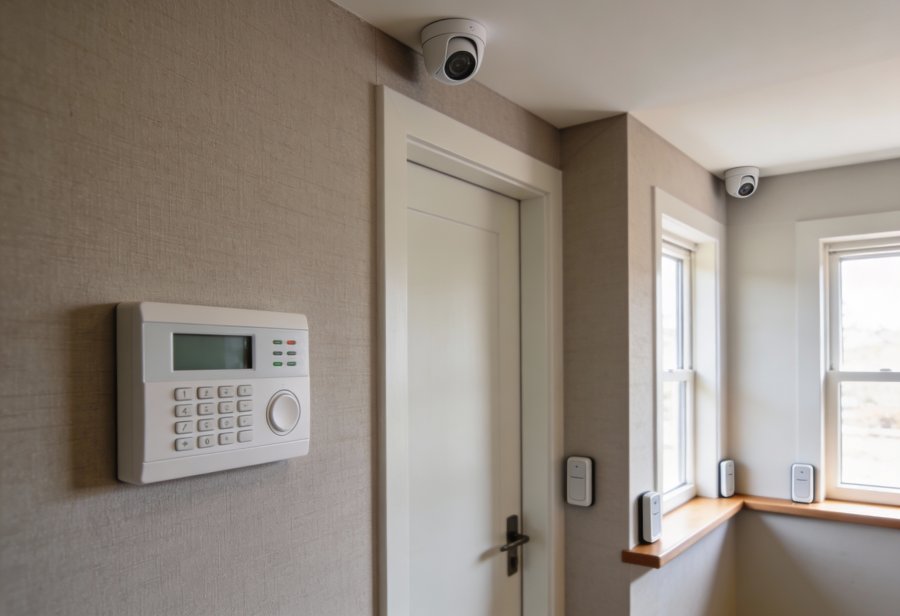
Unlocking Security in the Modern Home: The Power of Connected Systems
In today’s fast-paced world, home security has taken on a new level of importance. With threats becoming smarter and more unpredictable, relying solely on traditional locks and alarms no longer offers the peace of mind families need. Modern homes demand solutions that are not only connected but also adaptable to the complexities of daily life. That’s where integrated, remote-controlled security systems come into play, offering a comprehensive approach to safety and convenience.
These systems do more than deter intruders—they create a network of protection that combines cameras, sensors, locks, and alarms, all working seamlessly together. The ability to monitor and control your home remotely means safety isn’t limited to the physical walls. Whether you’re at work, on vacation, or simply running errands, you can check in on your property in real time and respond immediately if something seems off. This level of control transforms how families think about security.
What makes these solutions so effective is their interconnected nature. Cameras can send alerts if they detect suspicious activity, sensors can notify you of unauthorized entry, and locks can be managed remotely—all from your smartphone or tablet. This integration turns home security into an active, responsive system tailored to today’s fast-changing environment. It’s about making safety a natural part of everyday routines, rather than an afterthought.
These advanced features also reflect a broader shift toward smarter living. Homes are evolving into ecosystems where automation and security work hand in hand. Instant alerts, live video feeds, and remote locking are just the beginning. As technology advances, these systems become more intuitive, helping families stay one step ahead of potential threats while simplifying daily tasks.
Of course, adopting such technology introduces new challenges. Connectivity issues, cybersecurity risks, and system malfunctions can create vulnerabilities if not properly managed. However, when combined with traditional safety practices and professional monitoring, these systems significantly boost household security. As innovations continue, our homes will become smarter and safer—built to meet the unpredictable demands of modern life.
Building Blocks of Modern Home Security: Cameras, Sensors, and Automation
Modern home security rests on a set of core technologies and components that work together to protect your property and loved ones. At the heart are surveillance cameras, which do more than just record; they provide real-time visual monitoring that can deter intruders and offer peace of mind. Today’s cameras connect seamlessly to Wi-Fi or cellular networks, allowing you to view live footage from your smartphone or computer anytime, anywhere. This instant access means you can keep an eye on your home whether you’re at work, on vacation, or simply running errands.
Sensors and alarms form another vital layer of modern security. Contact sensors on doors and windows detect unexpected openings, triggering alerts or alarms to warn you of potential intrusions. Motion detectors can sense movement inside or outside your home, while glassbreak sensors listen for shattering sounds. When these devices are integrated into a central system, they send immediate notifications and can activate alarms, enabling swift responses that can prevent break-ins or damage.
Access control devices, such as smart locks and biometric scanners, introduce a new level of convenience and security. With keyless entry options, you can grant or revoke access remotely, monitor who enters your home, and eliminate the need for physical keys. These controls often work in tandem with your home automation setup, allowing you to create schedules, set temporary codes, or restrict access for visitors and service providers. This flexibility enhances security without sacrificing ease of use.
Automation has transformed home security into a responsive ecosystem. Connected devices communicate automatically, enabling your system to react to specific triggers without manual intervention. For example, motion detected at night can turn on lights, start recording, and send you alerts—all coordinated via a single app. This integration not only heightens safety but also simplifies managing your home environment, blending security seamlessly into daily routines.
Choosing the right combination of these components depends on your household’s needs and budget. Wired systems tend to be more reliable and less vulnerable to interference, making them suitable for larger or permanent residences. Wireless setups offer quick installation and scalability, ideal for rental homes or evolving needs. Hybrid solutions combine both approaches, providing dependable connectivity alongside flexibility. Proper installation, regular maintenance, and software updates are essential to ensure your system remains resilient against threats.
For additional context, read Fred Morgan‘s article Revolutionizing Home Security with Smarter Remote Solutions on The Rubber Room.
By understanding these foundational elements—cameras, sensors, access controls, and automation—you can build a security setup that’s both effective and adaptable. When integrated thoughtfully, these technologies create a layered defense that responds to today’s evolving risks, giving you confidence that your home and family are protected at all times.
Experience Top-Tier Security Solutions with F.I.S.T Security in Markham, Ontario
F.I.S.T Security is a trusted Canadian owned and operated security company based in Markham, Ontario, known for its commitment to excellence and customer satisfaction. Specializing in intruder detection, card access, CCTV systems, intercoms, alarm monitoring, remote video monitoring, lighting, and environmental control, FIST Security goes the extra mile to meet client needs. Their reputation has been built on reliability and personalized service, ensuring peace of mind for residential and commercial clients alike. Whether you need cutting-edge access control or surveillance solutions, F.I.S.T Security prioritizes your security and safety. Contact them today at 416.755.4233 or email [email protected] to learn more about their comprehensive security services.
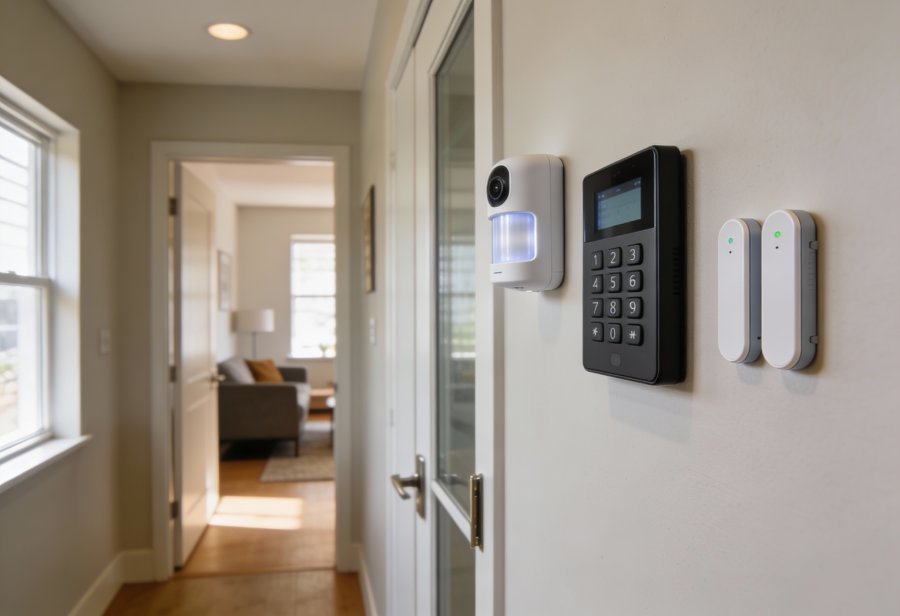
Navigating Today’s Home Security Landscape: Options, Trends, and Challenges
Today’s home security landscape offers a wide range of options that cater to the needs of modern families. Many households rely on integrated systems that combine cameras, smart locks, motion sensors, and alarm panels, all manageable through smartphone apps. These setups provide a seamless blend of convenience and reassurance, allowing homeowners to monitor their property remotely, grant temporary access, or receive immediate alerts about suspicious activity. The market has expanded to include DIY wireless kits, professionally installed solutions, and hybrid configurations, giving families flexibility based on their lifestyle and budget.
While these technologies significantly enhance safety, they also bring new challenges. Cybersecurity concerns are real, as connected devices can be vulnerable to hacking if not properly secured. False alarms from malfunctioning sensors or user errors can undermine trust in the system. Over-reliance on technology might lead some families to neglect traditional safety measures like neighborhood vigilance or physical locks, so it’s crucial to view these tools as part of a layered approach rather than a complete solution.
Families tend to choose solutions that fit their routines and living situations. Wireless systems are popular for their quick installation and scalability, especially in rental homes or temporary spaces. They can be expanded gradually by adding cameras or sensors as needed, making them adaptable to changing needs. Conversely, wired systems appeal to homeowners seeking maximum reliability, especially in larger or permanent residences. Hybrid setups combine both approaches, offering dependable connectivity with the flexibility of wireless components.
Emerging trends are pushing home security forward. Artificial intelligence-powered cameras can now distinguish between humans, pets, and objects, reducing false alerts. Voice commands and biometric access—like fingerprint scanners—are becoming more common, providing seamless keyless entry. Integrating these systems with home automation allows users to coordinate security with lighting, climate, and other smart devices, creating a responsive environment that adapts to different situations.
Despite the advances, no system is entirely foolproof. Connectivity issues, software glitches, or cyber vulnerabilities can temporarily compromise safety. That’s why many experts recommend a layered approach—combining remote-controlled devices with traditional locks, neighborhood watch efforts, and professional monitoring services. Regular updates, strong passwords, and secure networks are essential to maintaining resilience against cyber threats.
A relevant discussion appears on Galactic Ranks in Eleanor Wells‘s Embrace the Future of Smarter, Safer Home Security Systems.
In summary, the current state of home security offers a broad spectrum of choices designed to meet modern demands. Families can opt for simple, effective solutions or build complex, integrated systems that provide multiple layers of protection. The key lies in understanding that technology alone isn’t enough—proper use, regular maintenance, and community engagement make a real difference. As these systems continue to evolve, they’re reshaping how households stay safe in an unpredictable world.
Investing Wisely: Cost, Value, and Long-Term Security Benefits
When considering modern home security options, cost is often the first factor that comes to mind. The initial investment can vary widely depending on the system’s complexity and features. DIY wireless kits with cameras and smart locks are generally budget-friendly, often costing just a few hundred dollars. On the other hand, professionally installed solutions with advanced sensors and 24/7 monitoring services can run into thousands. While upfront costs are important, examining the long-term value helps determine if a system makes sense for your household.
Beyond the initial expense, ongoing costs also play a significant role. Many modern security systems require subscription plans for cloud storage, enabling you to securely save footage and access it remotely. Professional monitoring services, which alert authorities or security teams when needed, typically charge monthly fees. These recurring expenses can add up over time, so balancing your budget with your desired level of protection is key. Sometimes, a simpler, more affordable setup offers sufficient safety without breaking the bank.
The Big Toy Box offers a relevant article by Harp Parker titled Discover How Smart Home Security Transforms Safety Today.
Despite these costs, many families find that investing in a quality security system pays off over the long run. A well-designed setup acts as a deterrent, potentially preventing break-ins before they happen. The ability to monitor your home remotely provides peace of mind, allowing quick responses to alerts and suspicious activity. This sense of control—knowing you can check your property anytime—often outweighs the initial investment, especially in today’s unpredictable environment.
Durability and scalability influence the overall value of your system as well. Higher-quality hardware tends to last longer and perform more reliably, saving money on repairs or replacements down the line. The ability to expand your system gradually—adding cameras or sensors as needed—protects your initial investment. Choosing reputable brands that offer regular updates and strong support ensures your security remains effective as technology advances, providing ongoing peace of mind.
For those working with tighter budgets, there are still effective options. Affordable wireless DIY kits with essential features like cameras and smart locks can be installed quickly and scaled over time. These solutions often include remote management and alerts, making them accessible for most families. While they may not offer all the bells and whistles of high-end systems, they significantly improve safety and can serve as a stepping stone toward more comprehensive security.
Ultimately, evaluating cost involves balancing immediate expenses with long-term benefits. A system’s value isn’t just in its price tag but in how well it fits your needs, lifestyle, and peace of mind. Investing wisely ensures you get reliable, scalable protection that adapts as your household evolves, giving you confidence that your home and loved ones are safeguarded without unnecessary expense.
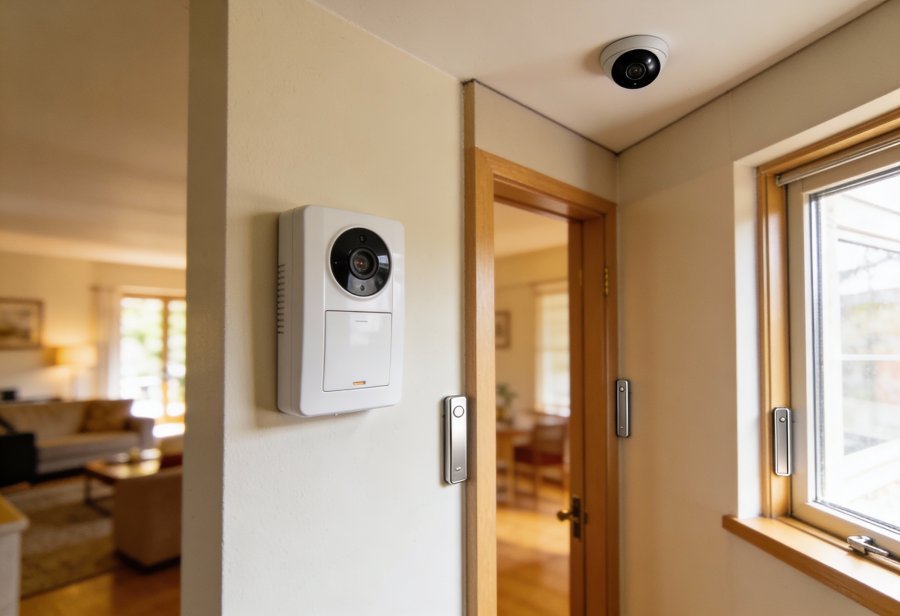
Real-Life Safety Transformed: Case Studies of Integrated Security in Action
Modern families are discovering firsthand how integrated remote-controlled security systems can transform everyday life and safety. For many, it’s about having peace of mind—being able to check in on their homes from anywhere, at any time. Parents often use live camera feeds to confirm their kids have arrived safely after school, even when they’re stuck at work. This instant access turns worry into reassurance, making busy routines more manageable and less stressful.
Smart locks and keyless entry systems add a new level of convenience. Instead of scrambling for keys or worrying about lost copies, homeowners can unlock doors remotely for trusted visitors or service providers. Creating temporary access codes that automatically expire simplifies household management, especially with last-minute visitors or contractors. These features make daily chores smoother while keeping security firmly in place, fitting seamlessly into modern lifestyles.
Immediate alerts from motion sensors and cameras further enhance safety. When unusual activity triggers an alert, homeowners can instantly view live footage and assess the situation. Whether it’s a late-night movement or a suspicious person lurking outside, quick responses can deter intruders and prevent situations from escalating. This real-time protection shifts home security from a passive deterrent to an active, responsive safeguard.
Beyond routine monitoring, integrated systems offer significant peace of mind during vacations or overnight trips. Families can remotely verify their property’s security, check on pets, and communicate with visitors through video intercoms. Knowing they have this level of oversight allows homeowners to relax, confident that their homes are under constant, intelligent surveillance. This connected security creates a sense of continuity and control that traditional systems simply can’t match.
Real-life stories highlight these benefits vividly. The Martinez family, for example, can remotely check their cameras and see their kids arriving home safely. When their teenager forgot her keys, they unlocked the door from afar and confirmed her safe entry. Meanwhile, the Lees narrowly avoided a potential break-in thanks to instant alerts from their sensors, allowing them to contact authorities before any damage occurred. These examples show how integrated security systems actively protect and improve daily living.
In the end, these solutions do more than safeguard property—they transform how families experience safety every day. By providing instant access, real-time alerts, and remote management, integrated security systems turn worry into confidence. They empower households to respond swiftly to threats, manage household access effortlessly, and enjoy peace of mind no matter where they are. This new level of connected security isn’t just a convenience; it’s a vital part of modern family life.