Probiotics promise a healthier gut and immune system, but do their benefits live up to the hype? This insightful preview explores how live microorganisms found in fermented foods and supplements can support digestion, reduce bloating, and restore microbial balance—especially after antibiotics. Yet, the effectiveness of probiotics varies widely, depending on strains, dosages, and individual gut environments. While generally safe, they can cause mild side effects and aren’t a universal remedy. The evolving science reveals exciting possibilities, from targeted therapies to personalized microbiome treatments, but also highlights gaps in research and the need for standardization. As probiotics move into a new era of innovation, understanding their limits and proper application becomes crucial. Could these tiny microbes revolutionize health beyond digestion, or are they just part of a bigger, more complex puzzle? Unlocking their true potential requires careful choices, ongoing research, and a balanced perspective on what probiotics can—and cannot—deliver.
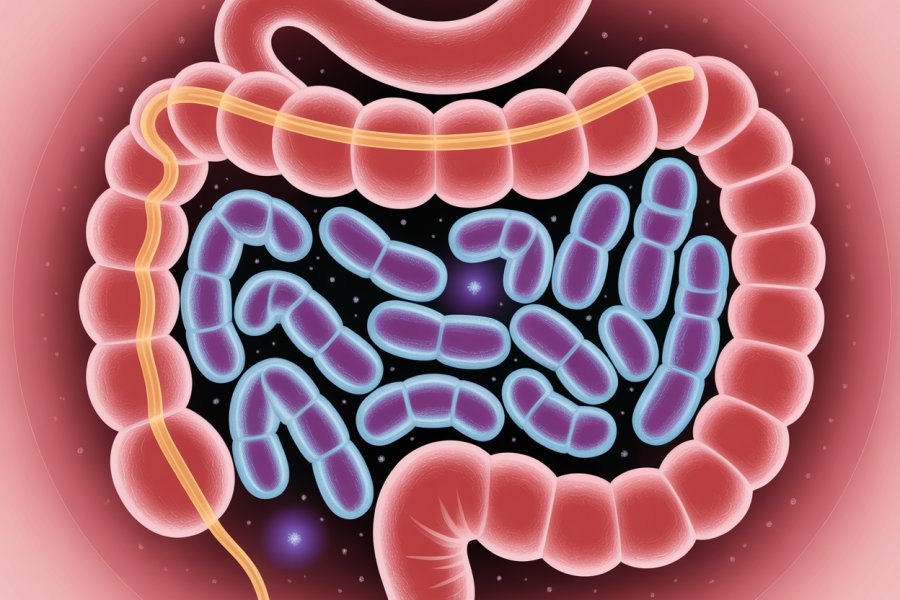
Unlocking the Power of Probiotics for a Healthy Gut
Probiotics have become a familiar term in health conversations, and it’s easy to see why. These tiny microorganisms—mainly bacteria and yeasts—are believed to support a healthy gut by balancing the microbial community inside our digestive system. The idea is simple: add beneficial microbes to your diet, and they’ll help keep everything running smoothly. You’ll find probiotics naturally in fermented foods like yogurt, kefir, sauerkraut, and kimchi, which have been part of human diets for centuries.
The concept of using these microbes for health isn’t new. Early research in the 20th century observed that people who consumed fermented dairy products often enjoyed better health and longevity. Over time, scientists identified specific strains—like Lactobacillus and Bifidobacterium—that play key roles in supporting digestion and immune responses. Today, these strains are the focus of extensive research, aiming to understand exactly how they benefit us.
Probiotics are designed to survive the harsh environment of the stomach, where acidity and bile can destroy many microbes. To be effective, they need to reach your intestines alive and adhere to the gut lining. Once there, they work to maintain or restore a balanced microbiome, which is crucial not only for digestion but for overall health. Different strains have unique properties—some fight harmful bacteria, while others produce vitamins and beneficial compounds—highlighting the importance of choosing the right probiotic for your needs.
The history of probiotics shows a steady evolution from simple observations about fermented foods to sophisticated scientific insights. Researchers now understand that these microbes do more than aid digestion—they interact with the immune system, influence mood, and impact metabolic health. Advances in microbiome science have revealed just how complex and dynamic this microbial ecosystem is, opening new possibilities for targeted therapies and personalized approaches.
Despite the promising potential, probiotics aren’t a cure-all. Their effects can vary widely depending on the strains used, the dosage, and individual differences in gut environments. While some people notice immediate improvements, others see little change. This variability underscores the importance of selecting high-quality products backed by science and tailored to specific health goals. Incorporating probiotics thoughtfully can support your overall well-being without overpromising.
Adding probiotics into your routine is straightforward—through foods or supplements. Natural sources like yogurt and fermented vegetables are easy to include in your meals, while supplements offer concentrated doses of specific strains. Consistency is key; regular intake helps establish beneficial microbes and supports long-term gut health. Remember, probiotics work best when paired with a balanced diet, plenty of fiber, and healthy lifestyle habits.
Understanding probiotics means recognizing that they are just one piece of a broader health puzzle. They can support digestion, immune function, and overall vitality, but they’re not a substitute for good nutrition and medical advice. Staying informed about the latest research and choosing products carefully can make all the difference. When used wisely, probiotics can be a valuable tool in maintaining a healthy, resilient gut and enhancing your overall wellness.
Foundations of Probiotics: History, Traits, and Microbial Marvels
Probiotics are live microorganisms—mainly bacteria and yeasts—that, when consumed in sufficient amounts, can offer tangible health benefits, especially for your gut. The idea isn’t new; people have used fermented foods like yogurt, kefir, sauerkraut, and kimchi for centuries, observing that these diets seemed to boost health and longevity. Modern science has identified specific strains, such as Lactobacillus and Bifidobacterium, which play key roles in supporting digestion and immune responses.
For probiotics to be effective, they must survive the journey through your stomach, where acidity and bile can kill many microbes. Once they reach your intestines alive, they need to adhere to the gut lining to exert their benefits. This helps maintain a balanced microbial community—your microbiome—that’s essential for digestion, nutrient absorption, and immune function. Different strains have unique properties, which makes choosing the right probiotic important for your specific health needs.
The scientific understanding of probiotics has evolved significantly. Early research linked fermented dairy products to increased longevity and better health, leading to the isolation of strains like Lactobacillus acidophilus. As microbiology advanced, scientists uncovered how these microbes interact with our bodies, not just aiding digestion but also influencing immune responses and even mental health. This growing knowledge highlights the complexity and importance of microbial diversity within our gut.
Key features determine whether a probiotic can deliver benefits. First, the microbes must be alive at the time of consumption. They also need to withstand storage conditions and the acidic environment of the stomach. Once in the gut, they should adhere to the intestinal lining to establish themselves and produce beneficial substances like vitamins and short-chain fatty acids, which support overall health.
The progress in microbiome research has revealed just how intricate these microbial communities are. Pioneers like Élie Metchnikoff hypothesized that consuming beneficial bacteria could promote longevity, a theory supported by subsequent discoveries. The identification of specific strains has allowed for targeted applications, although much remains to be understood about how individual differences affect probiotic effectiveness.
Not all probiotics are created equal, and responses vary from person to person. The effectiveness depends heavily on selecting strains backed by scientific evidence and tailored to individual health conditions. Some people experience noticeable improvements, while others see minimal effects, underscoring the importance of personalized approaches.
Looking ahead, ongoing research continues to uncover new strains and delivery methods, such as encapsulated probiotics or genetically engineered microbes, aiming to improve survival and colonization. As this field advances, the goal is to develop more precise, personalized probiotic therapies that can better support health beyond the gut, including immune function and mental well-being.

Weighing the Evidence: Benefits, Limitations, and Realistic Expectations
Probiotics show promise in supporting digestive health, but their benefits don’t apply equally to everyone. Scientific research indicates that certain strains can help reduce bloating, improve bowel regularity, and restore balance after disruptions like antibiotic treatment. For example, specific Lactobacillus strains have been linked to alleviating diarrhea and promoting a healthier gut environment. However, the strength of these findings varies depending on the strain, dosage, and individual gut conditions, making it clear that probiotics aren’t a one-size-fits-all solution.
Choosing the right probiotic strain is crucial for effectiveness. Different bacteria target different issues—Bifidobacterium may support regularity, while Lactobacillus might help with bloating or diarrhea. This variability highlights the importance of selecting products backed by solid evidence and aligned with your specific health concerns. Simply taking any probiotic isn’t enough; understanding which strains are proven to work for your needs can make a real difference.
While probiotics are generally well tolerated, some people experience mild side effects like gas or bloating initially. These symptoms often fade quickly as your body adjusts. People with weakened immune systems or underlying health issues should exercise caution, as probiotics can carry risks in rare cases. Infections or adverse reactions are possible if strains aren’t suitable for the individual’s health status. Consulting a healthcare professional before starting probiotic supplements is wise, especially if you have existing health conditions.
Probiotics play a supportive role in recovery after antibiotic use by helping replenish beneficial bacteria that antibiotics may wipe out. When used properly—timing, strains, and dosage matter—they can speed up the re-establishment of a healthy microbiome. But they shouldn’t replace medical treatments; instead, they act as an adjunct to aid your body’s natural healing process, reducing the risk of prolonged imbalance and digestive discomfort.
Expectations should be realistic. Probiotics are valuable tools, but they aren’t magic cures. Their success hinges on proper strain selection, appropriate dosing, and your unique gut environment. Some may notice benefits within days, while others might need weeks to see results. Pairing probiotics with a fiber-rich diet, healthy lifestyle, and stress management amplifies their impact and supports overall digestive wellness.
Understanding both the benefits and limitations of probiotics enables smarter use. They can support your gut and immune health when chosen thoughtfully and used consistently, but they aren’t replacements for good nutrition or medical advice. Recognizing their role as part of a broader health strategy helps set realistic goals and ensures you make the most of their potential without overestimating their effects.
Practical Tips for Incorporating Probiotics Into Your Daily Routine
Using probiotics in everyday life means making practical, straightforward choices that fit seamlessly into your routine. Incorporating probiotic-rich foods like yogurt, kefir, and fermented vegetables into your meals a few times a week is a simple way to boost your gut health naturally. These foods are easy to find, tasty, and add variety to your diet without much effort. If you prefer supplements, opt for reputable brands that clearly specify the strains used and their CFU counts. Consistent use is key—taking them regularly helps maintain a steady supply of beneficial microbes and supports long-term gut health.
Probiotics aren’t instant fixers. Some people notice improvements within days, but for many, benefits take weeks to become evident. Pairing probiotic intake with a balanced diet rich in fiber and whole foods maximizes their effectiveness. Fiber acts as food for these beneficial bacteria, helping them colonize and thrive in your gut. Combining probiotics with healthy habits like regular exercise and stress management further enhances their potential and promotes overall wellness.
When dealing with specific health concerns, such as recovering from antibiotics, targeted probiotic strains can help restore your gut’s microbial balance. Timing and dosage matter—using the right strains at the right moments can speed up recovery. However, probiotics should never replace prescribed medications or medical advice. Consult a healthcare professional to ensure you select the appropriate strains and incorporate them safely into your recovery plan.
Starting probiotics may lead to mild side effects like gas or bloating, which usually pass quickly as your body adjusts. Those with weakened immune systems or underlying health issues should seek medical guidance before beginning probiotic use. Proper consultation helps avoid potential risks and ensures you gain benefits without unnecessary discomfort or complications.
Staying consistent with your probiotic routine is essential. Whether you add yogurt to your breakfast or take a daily capsule, regular intake supports the sustained colonization of beneficial microbes. Tracking how your body responds helps you fine-tune your approach—if no improvements appear after a few weeks, consider trying different strains or increasing your dosage in consultation with a healthcare provider.
Remember, probiotics are just one part of a broader health strategy. A balanced diet, adequate sleep, physical activity, and stress management are vital foundations that amplify their benefits. Relying solely on supplements or fermented foods won’t yield optimal results unless complemented by overall healthy habits. When integrated thoughtfully, probiotics can be a helpful tool in supporting gut health and overall vitality.

Looking Ahead: Innovation, Personalization, and the Future of Probiotic Science
The future of probiotics holds exciting promise, with ongoing research uncovering new strains and innovative applications that could expand their role well beyond traditional digestive support. Scientists are exploring how specific bacteria might influence mental health through the gut-brain axis or strengthen immune responses, opening doors to targeted therapies for a range of conditions. Advances in microbiome science are revealing why some individuals respond better than others, paving the way for more personalized probiotic treatments tailored to individual microbiomes and health goals.
Despite this optimism, many questions remain. While the potential is vast, scientific evidence supporting some claims is still developing. Standardizing probiotic formulations and conducting rigorous clinical trials are essential steps to ensure safety and efficacy. The market’s wide array of products varies greatly in quality and strain selection, which can make it difficult for consumers to identify options that deliver real benefits. As research progresses, regulatory frameworks will need to evolve to support trustworthy, science-backed products that meet higher standards.
Understanding how probiotics interact with each person’s unique microbiome remains a key challenge. Each individual’s gut environment is different, meaning a strain that benefits one person might have little effect on another. This variability emphasizes the importance of moving toward personalized approaches, where microbiome analysis guides probiotic choices. Tailoring treatments in this way could significantly boost their effectiveness, transforming probiotics into precise tools for health optimization rather than generic supplements.
Innovations in delivery systems are also shaping the future landscape. Researchers are experimenting with encapsulated probiotics and genetically engineered microbes designed to survive gut acidity better and colonize more effectively. These technological advances aim to improve consistency and reliability, reducing the guesswork for consumers and healthcare providers alike. Better delivery methods could unlock new levels of benefit, ensuring that more beneficial microbes reach their target sites intact.
Long-term safety is another crucial aspect as the field advances. While probiotics are generally safe for healthy individuals, their use in vulnerable populations, such as the immunocompromised, requires careful investigation. Future studies will need to clarify safety profiles across diverse groups, ensuring that probiotics remain a beneficial and risk-free addition to health routines. Building this understanding will support responsible use and foster greater confidence among users.
Balancing optimism with caution will be key as probiotics continue to evolve. Consumers should prioritize products backed by solid science and avoid exaggerated claims. Consulting healthcare professionals can help tailor probiotic choices to individual needs, ensuring safe and effective integration into daily routines. As research deepens and technology advances, probiotics are poised to become more reliable, personalized tools that support overall health and vitality.
Ultimately, probiotics are on the cusp of a new era—one where their potential to enhance health is clearer and more targeted than ever before. Continued innovation, coupled with rigorous testing and responsible regulation, will be essential to unlocking their full benefits. With each breakthrough, these tiny microbes could revolutionize how we approach not just digestion, but overall well-being, making support for our health more natural, precise, and powerful than ever.