In an era where connectivity defines success, modern business phone services are more vital than ever. They transcend traditional landlines, offering features like VoIP, video conferencing, and seamless mobile integration that empower companies to stay responsive and professional. These advanced systems not only reduce costs and enhance scalability but also bolster security and compliance, safeguarding sensitive data. But how will this evolving technology reshape competitive advantages and customer relationships? As AI-driven analytics, 5G networks, and automation become integral, businesses face the challenge—and opportunity—of leveraging smarter, more responsive communication platforms. Will these innovations solidify trust and loyalty or expose vulnerabilities in an increasingly digital landscape? The future of corporate communication hinges on embracing these transformative tools, making it clear that reliable, intelligent connections are no longer optional but essential for thriving in a fast-changing world.
Elevate Your Business Communications with FiberConX’s Advanced Phone Solutions
Discover how business phone services from FiberConX Communications can transform your company’s connectivity across Canada. Specializing in VoIP and IP-based business phone solutions, FiberConX offers features like voicemail, IVR, Ring Groups, and voicemail-to-mail, ensuring seamless communication and enhanced customer experience. Whether you’re seeking reliable VoIP systems or comprehensive IP business phone services, FiberConX has the expertise to meet your needs. Reach out today at 1.416.945.9210 or email [email protected] to learn more about tailored solutions designed to boost your business efficiency and professionalism.
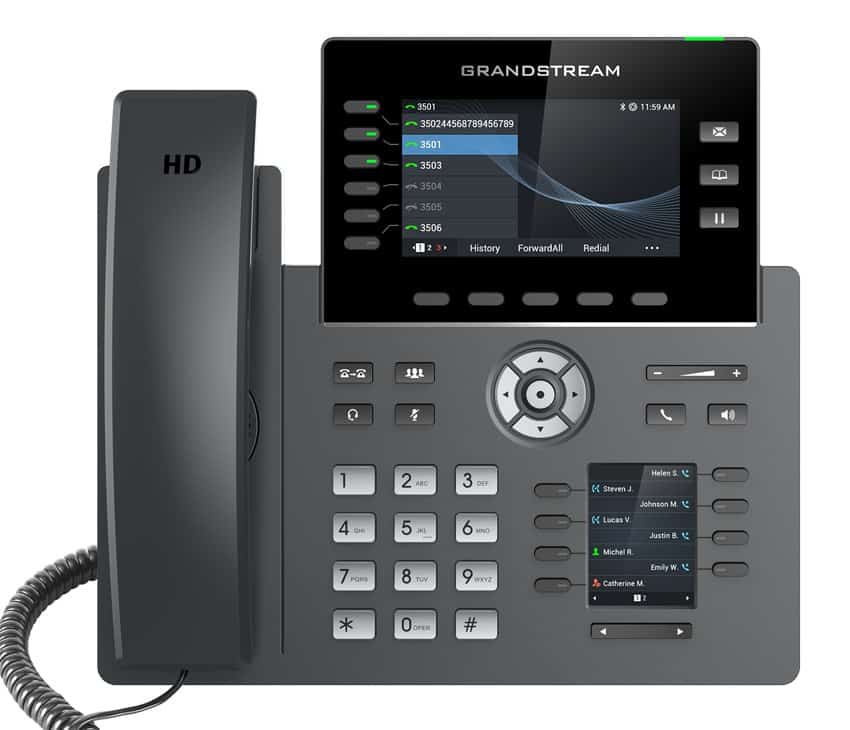
Connecting the Modern Business World: The Power of Reliable Communication Technologies
In today’s fast-moving business world, clear and dependable communication isn’t just a convenience — it’s essential. Companies must stay connected with clients, partners, and team members across different locations and time zones. This interconnectedness drives the development of advanced communication tools that go far beyond traditional landlines, ensuring that businesses can operate smoothly and respond promptly.
Modern communication systems like VoIP and cloud-based platforms have transformed how companies connect. They offer more than just voice calls; they enable video conferencing, instant messaging, and seamless integration with other digital tools. These features allow teams to collaborate effortlessly, whether they’re in the same office or spread around the globe. Reliable communication keeps workflows on track, minimizes misunderstandings, and builds a professional image that customers trust.
The shift from traditional landline systems to internet-based solutions has also changed cost structures. VoIP services are typically more affordable and easier to scale, allowing businesses to grow without the need for costly hardware upgrades. Adding new lines or features is as simple as clicking a button, making it easier to adapt to market demands or seasonal fluctuations. This flexibility supports agility in a competitive environment, giving companies a crucial edge.
Security is a top concern as businesses adopt these new technologies. Modern systems incorporate encryption, secure login protocols, and compliance features to protect sensitive conversations and data. These safeguards are vital for maintaining trust with clients and meeting industry standards, especially in sectors like finance and healthcare where confidentiality is critical.
Reliable communication also influences how a business is perceived. Features like auto-attendants and call routing create a polished, professional experience for callers, ensuring they reach the right person quickly. This level of responsiveness fosters trust, improves customer satisfaction, and helps build long-term loyalty. In competitive markets, a smooth communication experience can set a company apart.
Furthermore, these advanced systems support remote work and internal collaboration. Employees can answer calls, check voicemails, and transfer conversations from anywhere, making it easier to maintain productivity outside of traditional office settings. Cloud platforms enable quick updates and troubleshooting, reducing downtime and ensuring consistent service delivery.
In essence, reliable communication technology is the backbone of modern business success. As these tools continue to evolve, they will become even more integral to operational efficiency, customer relationships, and strategic growth. Keeping pace with this technological shift isn’t just an option — it’s a necessity for any organization aiming to thrive in today’s digital landscape.
VoIP and Cloud Systems Unveiled: Foundations, Features, and Business Benefits
VoIP, or Voice over Internet Protocol, forms the backbone of modern business communication systems. Instead of relying on traditional phone lines, VoIP converts voice signals into digital data that travels over the internet. This technology leverages packet switching, where voice data is broken into small packets, sent across networks, and reassembled smoothly at the receiving end. The result is clear, reliable communication over long distances, often at a fraction of the cost of conventional phone services. Beyond basic calls, VoIP opens the door to features like video conferencing, instant messaging, and integrations with other digital platforms, creating a more versatile communication environment.
Building on this foundation, cloud-based phone systems take VoIP further by offering remote management and scalability. Hosted on secure servers managed by third-party providers, these platforms eliminate the need for on-site hardware. Instead, administrators access everything through intuitive online dashboards, enabling quick updates, user management, and troubleshooting from anywhere. This level of flexibility is especially valuable for growing businesses or those with a distributed workforce, allowing them to add or remove lines effortlessly without the delays associated with physical installations.
One of the key advantages of VoIP and cloud systems is their inherent scalability. Adding new extensions or features often requires just a few clicks, making it easy to respond to changing market demands or seasonal peaks. This ability to adapt quickly supports agile operations and reduces infrastructure costs. Additionally, these platforms facilitate seamless integration with customer relationship management (CRM) tools and other digital systems, helping streamline workflows and improve customer interactions—turning communication into a strategic advantage.
Security remains a priority as businesses adopt internet-based communication. Modern VoIP solutions incorporate encryption protocols that safeguard conversations from eavesdropping. Secure login procedures, multi-factor authentication, and compliance features like call recording and data retention ensure that sensitive information stays protected and meets regulatory standards. These security measures build trust with clients and partners, particularly in industries handling confidential data, and help organizations maintain their reputation in a digital-first world.
In essence, VoIP and cloud-based phone services merge technological innovation with practical benefits. They provide scalable, secure, and feature-rich platforms that empower companies to enhance collaboration, improve customer service, and adapt quickly to market shifts. As these systems continue to evolve, they will remain vital tools for businesses aiming to stay competitive, connected, and efficient in an increasingly digital landscape.

Strategic Advantages of Upgraded Phone Services: Elevating Business Performance and Market Presence
Modern phone services are more than just tools for making calls—they’re strategic assets that shape a company’s reputation and influence its market position. When upgraded, these systems enable faster decision-making, smoother collaboration, and a more polished customer experience. Features like auto-attendants and intelligent call routing not only project professionalism but also streamline internal workflows, reducing manual tasks and freeing up resources for growth and innovation.
A reliable, professional phone setup sends a clear message to customers: this is a business that values their time and needs. Automated greetings and seamless call forwarding ensure that even during busy periods or after hours, calls are handled efficiently. This consistent accessibility builds trust and confidence, reinforcing a brand’s reputation for dependability. Companies leveraging these advanced features often see higher customer satisfaction and stronger loyalty, gaining a competitive edge in crowded markets.
Scalability plays a crucial role in strategic planning. Cloud-based systems allow businesses to easily add or remove lines and features, making expansion into new markets or handling seasonal surges straightforward. This agility enables organizations to respond quickly to changing demands without the hassle and cost of hardware upgrades. Moreover, automatic call rerouting during outages or disasters ensures continuous service, safeguarding client relationships and maintaining operational stability even in challenging circumstances.
Security and compliance are integral to the strategic value of modern phone systems. Encryption protocols, secure logins, and data retention policies protect sensitive conversations and meet industry standards. These safeguards foster trust with clients and partners, especially in sectors like finance or healthcare where confidentiality is paramount. By prioritizing security, businesses not only protect their reputation but also position themselves as reliable and responsible players in their field.
Ultimately, the impact of upgraded communication tools extends beyond operational efficiency—they influence how a business is perceived, its ability to adapt, and its capacity to compete. By investing in features that boost professionalism, scalability, and security, companies can turn their phone systems into powerful strategic assets. This proactive approach to communication technology helps organizations stay ahead in a rapidly evolving digital landscape, ensuring they remain connected, credible, and competitive.
To explore how upgrading your company’s communication infrastructure can further enhance your operations, consider learning more about the benefits of professional phone solutions. Investing in reliable phone service for business can provide the seamless connectivity and advanced features necessary to maintain a competitive edge in today’s fast-paced market.
Real-World Success Stories: How Companies Leverage Advanced Business Phone Solutions
Modern business phone services are already demonstrating their value across various industries by providing clear examples of how advanced communication tools can directly enhance operations and customer satisfaction. In retail, for instance, large chains often deploy auto-attendants during peak seasons to efficiently handle high call volumes. Customers are greeted professionally and guided swiftly to the right department, reducing wait times and frustration. This streamlined approach not only boosts customer experience but also allows staff to focus more on in-store service, creating a cohesive and efficient shopping environment.
Small businesses also reap significant benefits from these technologies. Many now rely on mobile apps linked to cloud-based phone systems, enabling employees to stay connected remotely. Whether working from home or on the road, team members can answer calls, access voicemails, and transfer conversations seamlessly. This flexibility ensures that customer queries are addressed promptly, maintaining high service standards even outside traditional office hours. It keeps operations agile, responsive, and customer-focused.
Large enterprises leverage cloud systems to support their extensive operations. These platforms facilitate rapid deployment of new extensions and features, which is crucial during expansion or market shifts. Automatic call rerouting ensures continuity during hardware failures or natural disasters, redirecting calls to backup lines or mobile devices without interruption. This resilience reassures clients that the business remains dependable, strengthening trust and loyalty even under adverse circumstances.
Security features are increasingly embedded in these systems, especially vital for industries handling sensitive data. Call encryption protects conversations from eavesdropping, while data retention policies ensure compliance with legal standards. Secure login procedures and multi-factor authentication prevent unauthorized access, safeguarding confidential information. These measures build trust with clients and partners, positioning the company as a responsible, trustworthy entity in a digital world.
Beyond operational efficiencies, these tools shape a company’s professional image. Automated greetings, personalized call routing, and voicemail-to-email features create a polished, customer-centric experience. When clients encounter quick, courteous responses, their satisfaction and loyalty grow—key factors in competitive markets. Companies that deploy these features effectively stand out as responsive and reliable, reinforcing their reputation as customer-first organizations.

Shaping the Future: Trends and Innovations in Business Communication Technology
The future of business communication will be driven by even more integrated, intelligent solutions that redefine how organizations connect and operate. Advances in artificial intelligence are set to deliver smarter call analytics, enabling companies to better understand customer needs and personalize their responses. Voice assistants will handle routine inquiries, freeing up staff to focus on complex tasks, while 5G networks will offer faster, more reliable connections that make remote and hybrid work seamless. These innovations will make communication not only more efficient but also more responsive, giving businesses a vital edge in a rapidly evolving digital landscape.
The core value of reliable, modern communication systems will only grow stronger. They are no longer just tools for making calls—they are central to decision-making, collaboration, and brand reputation. Companies investing in scalable, secure, and feature-rich platforms like VoIP and cloud systems will be better positioned to adapt swiftly to market shifts, serve customers effectively, and foster long-term growth. Upgrading technology isn’t just about keeping pace; it’s about creating a resilient infrastructure that supports agility and innovation.
Looking ahead, automation and AI will deepen their role in business communication. Voice-enabled virtual assistants will become more proactive, handling simple tasks and providing real-time insights. Call analytics will offer detailed feedback on customer interactions, helping organizations refine their service strategies. As mobile capabilities become more integrated with AI, proactive alerts and personalized updates will enhance customer engagement and internal workflows alike. This blend of automation and intelligence will forge stronger relationships and streamline operations in ways previously unimaginable.
Security will remain a top priority as these technologies advance. New protocols like biometric authentication and blockchain-based verification could become standard, safeguarding communications against increasingly sophisticated threats. Stringent encryption and data privacy measures will be essential to meet industry standards and build trust with clients and partners. Businesses that prioritize security will not only protect sensitive information but also reinforce their reputation as responsible, trustworthy entities in a digital world.
The widespread shift from landlines to internet-based platforms has already transformed corporate connectivity. Moving forward, this transition will accelerate, with cloud-based systems enabling rapid deployment and effortless management. Organizations that embrace this flexibility will be able to scale quickly, expand into new markets, and respond to seasonal demands with ease. The ability to stay connected reliably, regardless of circumstances, will be a key differentiator for future-ready companies.
As these technological trends unfold, the focus on delivering a seamless, personalized experience will become even more critical. Automated greetings, intelligent call routing, and proactive communication will set new standards for professionalism and customer satisfaction. Businesses that prioritize user experience and leverage these innovations will stand out in crowded markets, fostering loyalty and reinforcing their position as forward-thinking leaders. Embracing ongoing change isn’t just strategic—it’s essential for thriving in the digital age.