In an era where seamless communication can redefine business success, Grandstream emerges as a transformative force with its innovative, customizable telephony solutions. How can organizations leverage these advanced devices to streamline workflows, enhance security, and support rapid growth? From carrier-grade IP phones to centralized management systems, Grandstream’s offerings empower businesses to deploy scalable networks tailored to their unique needs. With cloud integration, AI-driven analytics, and future-ready features like 5G compatibility, these solutions promise a smarter, more responsive communication infrastructure. Yet, as technology evolves at breakneck speed, questions around security, interoperability, and adapting legacy systems remain. Will organizations be able to harness these innovations without compromising safety? This preview explores how Grandstream’s commitment to open standards and user-friendly design positions them at the forefront of telephony evolution, offering a strategic advantage in a fiercely competitive digital landscape. The future beckons—are you ready to transform your network?
Boost Your Business Communications with FiberConX’s VoIP Solutions in Canada
Enhance your company’s connectivity with FiberConX Communications, a leading provider of Business VoIP services in Canada. Our comprehensive VoIP & IP business phone solutions include advanced features such as voicemail, Interactive Voice Response (IVR), Ring Groups, and voicemail-to-mail, ensuring seamless communication and improved customer experience. Whether you’re looking to streamline your internal communications or provide professional support to your clients, FiberConX has the perfect solution for your business needs. Contact our team today at 1.416.945.9210 or email [email protected] to learn more about how our VoIP services can transform your business communications.
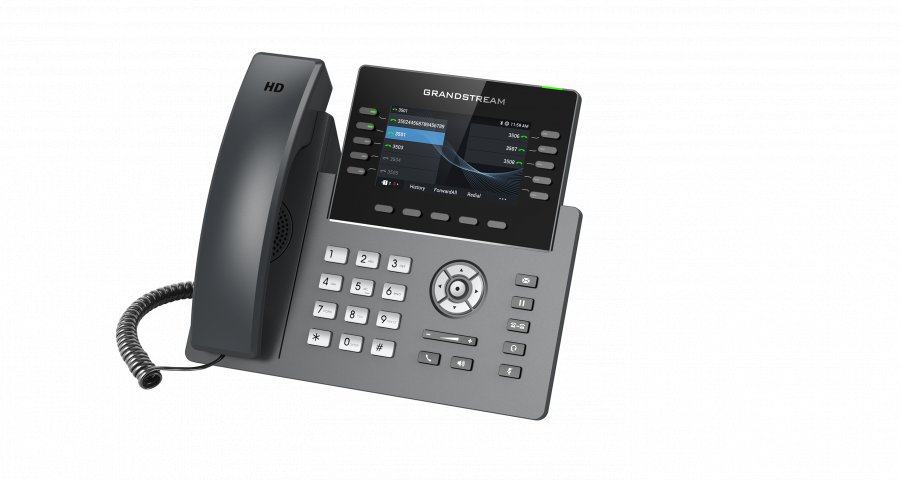
Transform Your Business Communication with Customizable Telephony Solutions
In today’s competitive business landscape, effective communication is more than just a convenience—it’s a key driver of success. Off-the-shelf phone systems often fall short when it comes to meeting the unique needs of different organizations, whether they’re retail chains, healthcare providers, or remote teams. Customizable telephony solutions step in to fill this gap, offering tailored features that align perfectly with specific workflows and growth strategies. These systems are designed to be flexible, scalable, and easy to manage, ensuring that teams stay connected and responsive regardless of evolving demands.
One of the main advantages of personalized communication setups is the significant boost in operational efficiency. When your phone system is aligned with your business processes, employees spend less time troubleshooting or navigating multiple apps. Instead, they can focus on their core tasks, confident that their communication tools are optimized for their roles. For example, call routing can be customized so customers reach the right support agent instantly, improving satisfaction and reducing wait times. This streamlined approach benefits internal workflows as much as customer interactions, creating a smoother, more productive environment.
Security and scalability are critical considerations in today’s digital world. Custom telephony solutions can incorporate security protocols that match your organization’s policies, helping safeguard sensitive information. As your business expands, these systems can grow with you—adding new users, locations, or features without major disruptions. Cloud-based management platforms make overseeing large networks straightforward, allowing centralized control over devices and configurations. This ease of scalability ensures your communication infrastructure remains robust and adaptable, even as your organization evolves.
Integrating your telephony system with other business tools amplifies its value. Whether it’s syncing with customer relationship management (CRM) platforms, video conferencing, or collaboration apps, tailored solutions create a unified workflow. This interconnected approach reduces manual effort, minimizes errors, and accelerates decision-making. When your communication network is customized to fit your existing systems, it becomes a strategic asset—supporting innovation, facilitating growth, and keeping your team agile in a fast-changing environment.
Building a communication system that truly fits your organization requires thoughtful planning and the right technology. Customized telephony solutions aren’t just about hardware upgrades; they’re about transforming how your team communicates and collaborates daily. When deployed strategically, these systems streamline operations, enhance security, and scale seamlessly as your business expands. The result is a resilient, efficient communication network that empowers your organization to stay connected, competitive, and prepared for future challenges.
Grandstream: Pioneering Innovation in Business Telephony
Over the past decade, Grandstream has established itself as a pivotal force in transforming business telephony. From the early days, their focus was on creating reliable VoIP solutions that could scale alongside growing organizations. This commitment to quality and user-friendly design helped shift the industry away from traditional landlines toward internet-based voice communication, making advanced telephony accessible to a wider range of businesses.
A major milestone for Grandstream was the launch of their Device Management System (GDMS). This centralized platform revolutionized device deployment and management, allowing IT teams to oversee large fleets of IP phones and endpoints from a single dashboard. Instead of configuring each device individually, organizations could streamline setup, perform mass updates, and monitor performance effortlessly, enabling rapid scaling without sacrificing control or security.
Over the years, their product lineup expanded to include a variety of IP phones, video conferencing units, and accessories. These devices incorporate high-definition audio, enhanced security features, and straightforward provisioning, setting new standards for ease of use and reliability. Their commitment to open standards and interoperability has fostered an ecosystem where devices from different vendors can work together seamlessly, giving organizations flexibility and choice in building their communication networks.
Innovation at Grandstream isn’t limited to hardware. They have consistently pushed forward with cloud integrations and remote management tools that support multi-location setups and remote work. These solutions allow organizations to maintain centralized control, push updates remotely, and troubleshoot issues without physical access to devices—saving time and reducing operational costs. This approach aligns perfectly with modern business needs for agility and resilience.
Their open standards policy encourages compatibility across diverse systems, helping prevent vendor lock-in and facilitating smoother upgrades. This focus on interoperability ensures that organizations can evolve their communication infrastructure without disruptive overhauls, giving them confidence in their long-term investment. It also means that as new technologies emerge, Grandstream’s solutions can adapt and integrate smoothly.
Throughout their history, Grandstream has prioritized customer-centric innovation. Their devices are designed to be easy to deploy and manage, whether for small businesses or large enterprises. Their scalable, flexible solutions empower organizations to customize their telephony systems to meet specific operational demands while supporting future growth.
Today, Grandstream’s influence is evident across multiple industries—from healthcare and retail to hospitality and finance. Their solutions enable organizations to connect more effectively, enhance productivity, and deliver better customer experiences. As they continue to innovate, their legacy as a trusted leader in telephony technology strengthens, shaping the future of seamless, customizable business communication.

Embracing the Latest Trends in Modern Business Telephony
Modern business communication systems are more interconnected and adaptable than ever before. Companies now prioritize seamless access across multiple devices and locations, whether employees are in the office, working remotely, or on the go. Cloud-based platforms dominate the landscape, offering scalable solutions that simplify management and reduce infrastructure costs. These systems support a range of features such as unified messaging, video conferencing, and real-time collaboration, helping organizations respond swiftly to changing market demands and customer expectations.
The shift toward cloud-managed telephony is a major trend shaping the industry. These solutions eliminate the need for bulky on-premises hardware, allowing teams to oversee their communication networks from anywhere with an internet connection. Advanced functionalities like AI-driven call routing, real-time analytics, and enhanced security are now standard, making systems smarter and more responsive. Automated provisioning and centralized device management streamline deployment across multiple sites, minimizing manual effort and errors while boosting operational efficiency.
Regional differences influence how organizations deploy these solutions. North American and European companies often emphasize mobility and integration with collaboration tools, reflecting widespread remote work trends. Conversely, firms in Asia and the Middle East may focus on multilingual support, local compliance, and data security to meet regional norms. Recognizing these nuances ensures that communication systems are both effective and culturally appropriate, facilitating smoother adoption and stronger internal and external communication.
Despite these technological advances, challenges like security concerns and the complexity of integrating legacy equipment remain. Compatibility issues can hinder seamless operation, and initial costs can be a barrier for some organizations. Balancing innovation with reliability requires careful planning, ensuring new systems deliver benefits without exposing the business to unnecessary risks. Additionally, evolving regulations around data privacy and emergency services require ongoing attention from IT teams to maintain compliance and security.
The future of telephony clearly leans toward unified, cloud-based platforms that support voice, video, and messaging in a single environment. These systems enable organizations to operate more agilely, respond quickly to disruptions, and deliver superior customer service. As security measures improve and interoperability standards evolve, businesses will be better equipped to adapt their communication infrastructure without sacrificing safety or flexibility. The continued integration of AI and automation promises even smarter networks that learn and respond to organizational needs in real time.
The rapid development of 5G technology will further accelerate these trends, providing faster, more reliable connections across devices and locations. This will support high-quality voice and video communications worldwide, enabling remote work and global collaboration to become even more seamless. Enhanced remote management tools and data analytics will give IT teams deeper insights, reducing downtime and increasing resilience in the face of emerging challenges.
Navigating these changes requires a focus on balancing innovation with security and compliance. Organizations must stay ahead by investing in adaptable systems, fostering vendor partnerships that prioritize interoperability, and maintaining rigorous data protection standards. Those who embrace these evolving trends will be better positioned to communicate effectively, serve their customers, and stay competitive in a fast-moving digital economy.
For organizations seeking reliable and feature-rich VoIP devices, exploring options like the GXP Series IP Phones can be a valuable step. These phones are designed to integrate seamlessly with modern cloud-based telephony systems, enhancing overall communication efficiency and user experience.
Real-World Impact of Tailored Telephony Systems on Operations
Customized telephony systems do more than just upgrade your technology—they transform how your business operates daily. When your communication setup is tailored to your specific needs, workflows become smoother, response times shorten, and customer experiences improve significantly. For instance, deploying cloud-based management and centralized device control allows your IT team to configure, update, and troubleshoot remotely. This not only saves time but also reduces errors that often occur during manual setups, leading to more reliable service and fewer disruptions.
Real-world examples highlight these benefits clearly. A healthcare provider, for example, rolled out Grandstream’s IP phones across multiple clinics using the centralized GDMS platform. This streamlined device deployment, cut maintenance efforts, and enhanced call quality for both staff and patients. Similarly, a retail chain expanded rapidly by utilizing Grandstream’s mass deployment solutions, enabling new store locations to go live without delays or technical hiccups. These cases demonstrate how customized telephony supports growth while maintaining operational consistency across diverse environments.
Effective management and deployment rely on strategic planning and the right tools. Centralized platforms like GDMS simplify configuration, updates, and monitoring of hundreds or thousands of devices from a single interface. Automated provisioning features accelerate deployment, allowing devices to be configured automatically upon connection. This approach minimizes setup time, cuts down on errors, and ensures consistent performance across all sites. Built-in security measures further protect your network, giving peace of mind as your organization scales.
Assessing network readiness is crucial to success. Conducting thorough checks on bandwidth, Quality of Service (QoS), and security ensures optimal device performance and clear calls. Regular firmware updates and security patches keep devices current and protected. Using centralized management tools enables IT teams to monitor device health proactively, troubleshoot remotely, and push updates seamlessly. This continuous oversight helps maintain a reliable, flexible, and scalable communication network as your organization grows.
Training staff on device management and security practices extends the lifespan of your technology and sustains high-quality service. When employees understand how to leverage new features and follow best practices, downtime and disruptions decrease. Educated teams can respond quickly to issues, reducing operational costs and maintaining seamless communication. Proper training transforms your telephony investment from a simple utility into a strategic asset that enhances agility and resilience.
Implementing customized telephony solutions is more than a technical upgrade; it’s a strategic move that elevates your entire organization. From simplified deployment and centralized control to enhanced security and scalability, these systems enable smoother operations and superior customer interactions. The right combination of tools and planning turns your communication network into a competitive advantage—ready to adapt and grow alongside your business.
In today’s dynamic environment, flexibility is key. Tailored systems help organizations respond swiftly to market changes, customer demands, and internal shifts. Cloud management and scalable hardware ensure you can add new users, locations, or features without disrupting existing operations. This agility supports long-term growth, making your communication infrastructure an adaptable foundation rather than a limiting factor.
Choosing the right technology and approach means embracing innovation while safeguarding your data and operations. Customized telephony solutions empower your team to communicate more effectively, efficiently, and securely. By aligning your communication systems with your strategic goals, you set the stage for continued success in a competitive, fast-evolving landscape.

Shaping the Future of Business Communication: Insights and Innovations
Looking ahead, the future of customizable telephony solutions shines brightly, driven by rapid technological progress and shifting business demands. We can expect deeper integration of cloud management platforms, making deployment and maintenance more seamless and less time-consuming. Artificial intelligence is poised to play an even bigger role, enabling smarter call routing, real-time analytics, and automated workflows that adapt dynamically to organizational needs. These innovations will not only boost efficiency but also make communication networks more intuitive, helping businesses respond faster and serve customers more effectively.
Grandstream’s ongoing focus on scalable, easy-to-manage devices and centralized platforms positions them well for this evolving landscape. Their commitment to open standards and interoperability means organizations will be able to upgrade or expand their systems without disrupting existing setups. As security features advance and compliance requirements tighten, future solutions will prioritize data privacy and protection, ensuring organizations maintain trust and meet regulatory standards while enjoying new capabilities. This focus on security will be crucial as cyber threats grow more sophisticated.
The continued development of 5G technology promises even faster, more reliable connections across devices and locations. High-speed, low-latency networks will support high-quality voice and video communications everywhere, making remote work and global collaboration more seamless than ever. Enhanced remote management tools and data analytics will give IT teams deeper insights, enabling proactive maintenance, reducing downtime, and increasing overall resilience. These advancements will empower organizations to be more agile, responsive, and competitive in a fast-paced digital economy.
However, embracing these innovations also raises questions about balancing cutting-edge features with security and privacy. How can businesses leverage the latest technologies without exposing themselves to vulnerabilities? How can they integrate legacy systems smoothly with new platforms? Addressing these challenges will require ongoing collaboration among vendors, regulators, and users, emphasizing standards and best practices that foster growth without compromising safety. This continuous dialogue will shape telephony solutions that are both innovative and trustworthy.
Ultimately, the future of customizable telephony revolves around empowering organizations to communicate more effectively, securely, and flexibly. As solutions become smarter, more interconnected, and easier to manage, businesses will gain powerful tools to innovate, grow, and connect in ways that were previously unimaginable. Staying ahead will mean embracing change, investing in adaptable systems, and exploring emerging technologies that serve their unique needs. The potential for transformation is vast, and those who harness it will lead the next wave of digital communication excellence.