Could permeable pavers be the future of urban resilience against flooding? As cities grapple with heavier storms and expanding impervious surfaces, these innovative surfaces offer a promising solution by allowing rainwater to naturally seep into the ground, reducing runoff and easing pressure on stormwater systems. Beyond flood prevention, they support groundwater recharge, filter pollutants, and enhance aesthetic appeal, transforming utilitarian spaces into vibrant, eco-friendly environments. However, their success hinges on careful design, proper installation, and diligent maintenance to prevent clogging and ensure long-term permeability. Advances in materials, modular systems, smart sensors, and integration with green infrastructure are pushing permeable paving technology forward, promising smarter, more adaptive cities. As policymakers increasingly support sustainable infrastructure, could permeable pavers become a cornerstone of urban water management? The ongoing innovation suggests they might—building communities that are not only flood-resistant but also more beautiful, sustainable, and resilient in the face of climate change.
Revolutionizing Flood Prevention: The Power of Permeable Pavers
Permeable pavers are gaining attention as a practical solution to urban flooding. Unlike traditional materials such as concrete or asphalt that repel water, permeable pavers are designed to let rainwater pass through their porous surfaces and seep into the ground below. This natural process helps manage stormwater more effectively by reducing surface runoff, which is a major cause of flooding during heavy rains.
As cities continue to develop and replace natural landscapes with impervious surfaces, the risk of water pooling and overwhelmed drainage systems grows. When rain hits traditional paved areas, it quickly runs off into storm sewers, increasing the chances of street flooding, property damage, and traffic disruptions. Permeable pavers mimic natural water behaviors by allowing rainwater to infiltrate the soil, easing the pressure on stormwater infrastructure and preventing localized flooding.
Beyond flood control, permeable pavers support groundwater recharge. As water naturally seeps into the soil, it replenishes underground aquifers that are often depleted in urban areas. This process also helps trap pollutants like sediments, oils, and heavy metals before they reach waterways, contributing to healthier water systems and ecosystems. In this way, permeable paving not only prevents flooding but also promotes cleaner, more sustainable urban water cycles.
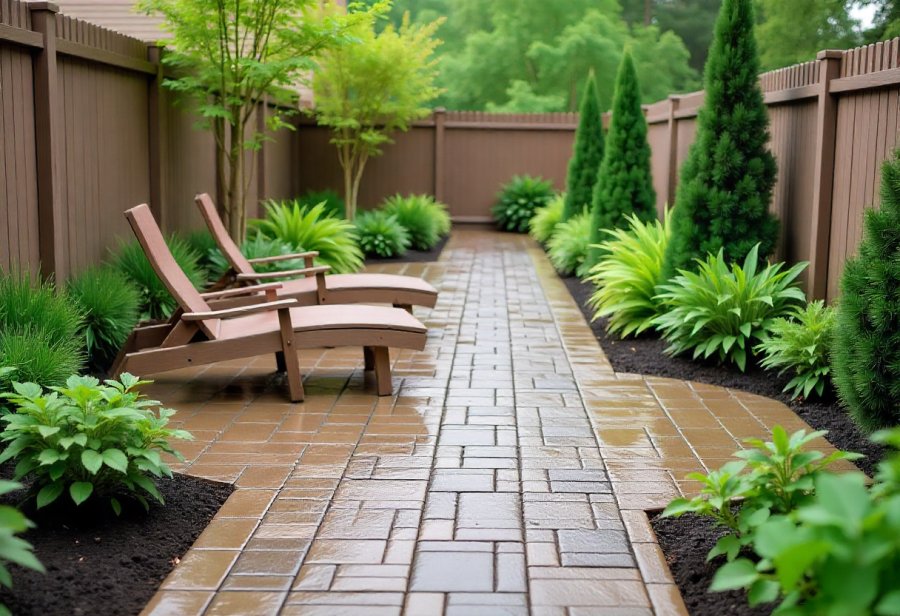
In addition to their functional benefits, permeable pavers enhance urban aesthetics. Available in various colors, shapes, and textures, they allow planners and designers to create visually appealing, functional spaces. Whether used in sidewalks, parking lots, or public plazas, permeable pavers transform utilitarian areas into vibrant, community-friendly environments that blend sustainability with beauty.
As climate change brings more frequent and intense storms, the importance of permeable paving solutions continues to grow. By enabling rainwater to naturally seep into the soil, these surfaces help cities adapt to changing weather patterns, reduce flood risks, and extend the lifespan of existing drainage systems. Incorporating permeable pavers into urban design supports resilient, sustainable communities equipped to handle increasingly unpredictable rainfall.
In summary, permeable pavers provide a smart, effective way to reduce flooding risks by allowing rainwater to infiltrate the ground naturally. Their ability to manage stormwater, support groundwater recharge, and improve urban environments makes them a vital component of modern, sustainable infrastructure. As more communities recognize these advantages, permeable paving stands out as a forward-thinking solution to urban water challenges.
Unlocking Nature’s Water Cycle: Environmental and Aesthetic Benefits of Permeable Pavers
Permeable pavers offer a wide array of advantages that make them an increasingly popular choice for sustainable urban development. Environmentally, they play a crucial role in reducing runoff, supporting groundwater recharge, and filtering pollutants from rainwater before it reaches underground aquifers. Unlike traditional materials like concrete or asphalt, which are impermeable and cause water to flow quickly into storm drains, permeable pavers allow rainwater to seep naturally into the soil. This process helps prevent localized flooding and promotes a healthier water cycle by reducing the pollution load on waterways.
In terms of infrastructure, permeable surfaces help ease the strain on stormwater systems, especially during heavy rains. By allowing water to infiltrate into the ground, they decrease the volume of runoff that needs to be managed by storm drains, reducing the risk of system overloads and street flooding. This natural infiltration can also lower the costs associated with upgrading infrastructure and extend the lifespan of existing drainage systems, making urban water management more efficient and resilient. As climate change drives more frequent and intense storms, cities that incorporate permeable paving into streets, parking lots, and public spaces can better handle these weather extremes and improve overall resilience.
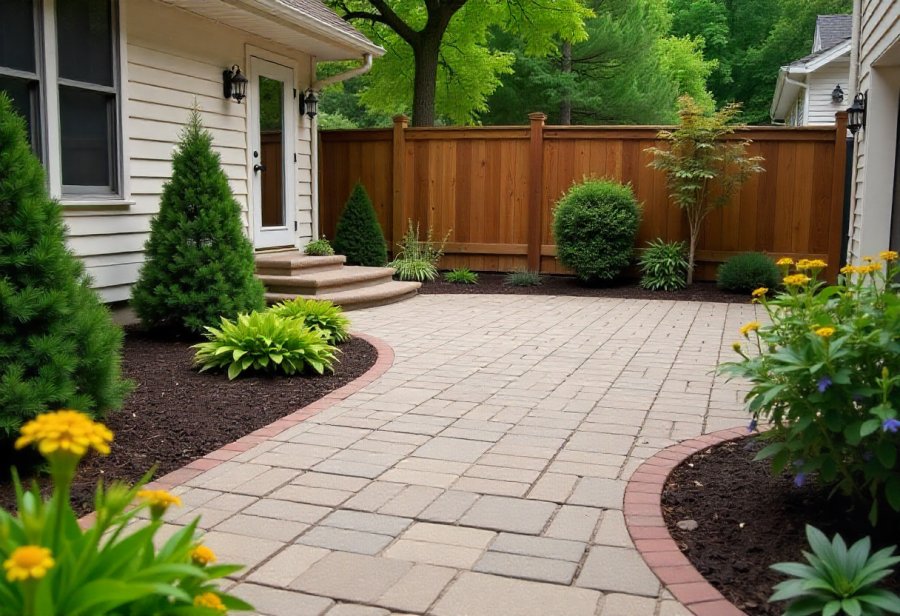
Aesthetic appeal is another key benefit of permeable pavers. They come in various colors, shapes, and textures, giving designers and city planners the flexibility to craft attractive, functional spaces. Unlike plain asphalt or concrete, permeable pavers can be customized to complement different styles, transforming streets and public areas into vibrant, inviting environments. This visual versatility encourages communities to invest in greener, more appealing spaces that foster civic pride and social interaction, seamlessly blending sustainability with urban beauty.
Beyond their immediate environmental and aesthetic benefits, permeable pavers support broader sustainability goals. Their ability to trap pollutants during water filtration helps improve local water quality, which is crucial for community health and ecological balance. Additionally, by promoting natural water cycles, permeable paving encourages urban biodiversity and provides habitat opportunities within city landscapes. When combined with other green infrastructure elements like rain gardens and green roofs, permeable pavers form part of a comprehensive approach to stormwater management that enhances urban resilience and ecological health.
Implementing permeable pavers effectively depends on careful planning and precise execution. Site assessments are essential to understand soil permeability, drainage capacity, and environmental conditions, guiding the selection of the most suitable permeable system. Proper design—including appropriate grading and surface slope—directs rainwater into the permeable layers and underlying drainage systems, preventing pooling and surface runoff. During installation, attention to detail, such as tight joints, stable bases, and quality materials, ensures durability and sustained permeability over time, which are critical for flood mitigation.
Maintenance plays a vital role in preserving these benefits. Regular sweeping removes leaves, dirt, and debris that could clog the pores and hinder water flow. Periodic inspections help identify early signs of clogging or shifting, allowing for timely repairs. Gentle rinsing can clear surface sediments and maintain permeability, ensuring the system continues to perform effectively. Consistent upkeep not only extends the lifespan of the permeable pavers but also guarantees they remain reliable in flood prevention, making them a practical long-term solution.
While permeable pavers offer numerous advantages, they are not without challenges. Clogging caused by dirt, leaves, and sediments is common and requires ongoing maintenance to sustain water infiltration. Environments with very heavy vehicle loads or unstable soils may need specialized solutions or alternative paving options. Recognizing these limitations upfront allows for better planning and ensures the long-term success of permeable paving projects, particularly in flood-prone areas. Proper site selection and maintenance routines are key to maximizing the system’s effectiveness.
In sum, permeable pavers stand out as a smart, effective tool for reducing flooding risks while enhancing urban sustainability. Their ability to allow rainwater to naturally seep into the soil addresses key water management issues—preventing floods, supporting groundwater recharge, and filtering pollutants. By integrating permeable paving into cityscapes, communities can build resilient, greener environments that are better equipped to handle the challenges of climate change and urban growth.
From Planning to Practice: Effective Installation and Real-World Success Stories
Implementing permeable pavers successfully starts with a thorough site assessment. Understanding the soil type, drainage capacity, and environmental conditions guides the selection of the most suitable system, whether it’s a grid, porous concrete, or another design. This initial step ensures the installation is tailored to the specific location, setting the foundation for long-term performance and flood mitigation.
Design considerations are equally crucial. Choosing the right paver type involves evaluating expected loads, foot traffic, and environmental factors. For example, a parking lot requires a more durable system than a decorative walkway. Proper grading and surface slope are essential to direct rainwater into the permeable layers, allowing for efficient natural infiltration and mimicking the water behavior in a natural landscape.
Preparation work forms the backbone of a durable installation. Excavating the existing surface removes unsuitable materials and creates a stable base. Layers of gravel are then added and compacted to provide strength and proper drainage. Using high-quality materials and following best practices during this phase prevents future shifting or settling that could compromise permeability, ensuring the system’s effectiveness in flood control.
Laying permeable pavers demands precision. Tight joints between units are necessary to maintain permeability and prevent debris from clogging the gaps. Installing the pavers in a consistent pattern—whether interlocking or grid—ensures both strength and visual appeal. Proper alignment and leveling create a smooth surface capable of handling traffic without shifting or creating gaps that could reduce water flow over time.
Post-installation maintenance is vital for sustaining benefits. Regular sweeping removes leaves, dirt, and debris that might clog the pores, while periodic inspections help identify early signs of clogging or shifting. Gentle rinsing with water can clear surface sediments, keeping water infiltration rates high. Keeping the surface clean preserves flood mitigation performance and extends the lifespan of the permeable system.
Real-world case studies illustrate these principles in action. In Portland, Oregon, a downtown parking lot replaced traditional asphalt with permeable pavers, significantly reducing surface runoff during heavy rains and supporting groundwater recharge. Similarly, Copenhagen’s public square incorporated permeable paving, effectively managing stormwater while creating an inviting space. These examples demonstrate that with careful planning and execution, permeable systems can deliver measurable flood control benefits in diverse urban settings.
Successful projects also rely on proper site assessment and tailored design. Evaluating soil permeability and environmental conditions ensures the chosen system performs as intended. Proper grading and surface slope are key to directing rainwater into the permeable layers, preventing pooling and surface runoff. Attention to detail during installation—such as tight joints and stable bases—ensures durability and sustained permeability over time.
The installation process isn’t complete without ongoing maintenance. Regular debris removal and surface cleaning keep permeability high and performance consistent. Early detection of issues like clogging or shifting allows for timely repairs, safeguarding the system’s flood mitigation capabilities. When done properly, permeable pavers become a reliable, long-term solution that helps cities adapt to changing weather patterns and urban growth.
Transform Your Toronto Property with Expert Landscaping Solutions
Looking to enhance your outdoor space in Toronto? Toronto Landscape & Design offers award-winning designers who take everything into consideration to create stunning landscapes. Our services include natural stone installations, water gardens, irrigation systems, and retaining walls, all tailored to your needs. Whether you’re aiming to reduce backyard flooding or craft a beautiful retreat, our team is here to help. Trust Toronto Landscpe to deliver professional landscaping solutions that elevate your home’s curb appeal and functionality. Contact us at https://TorontoLandscapeDesign.com or call 1.416.644.0499 to start transforming your outdoor space today.
Shaping the Future: Innovations and Emerging Technologies in Permeable Paving
Emerging technologies are expanding the possibilities of permeable paving solutions, making them more durable, efficient, and adaptable for urban environments. Advances in materials science have led to the development of permeable concrete mixes that resist clogging and withstand heavier loads, broadening their application in parking lots, roads, and other high-traffic areas. These innovations help ensure that permeability is maintained over time, even under continuous use, making permeable pavers a more reliable long-term investment.
Design practices are evolving alongside these material breakthroughs. Modular paver systems are gaining popularity because they allow for easier installation, replacement, and maintenance. These systems enable better control over water flow pathways and facilitate targeted repairs, reducing overall costs and downtime. Additionally, the integration of smart sensors within permeable pavers is beginning to take hold. These sensors monitor permeability levels and structural integrity in real time, providing data that supports proactive maintenance and early problem detection, ensuring the system’s effectiveness remains high.
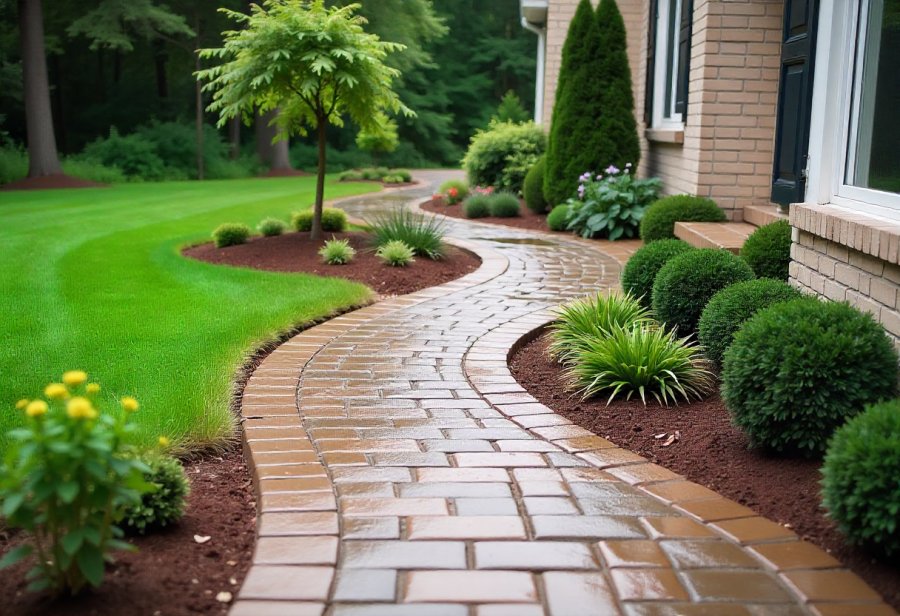
Green infrastructure integration is another frontier in permeable paving innovation. Combining permeable pavers with rain gardens, bioswales, and green roofs creates comprehensive stormwater management systems that surpass traditional methods. These layered solutions not only manage runoff more effectively but also enhance urban aesthetics and biodiversity. Landscape architects are designing multi-functional spaces that serve ecological, social, and visual purposes, transforming urban areas into more resilient and inviting environments.
Policy shifts and financial incentives are accelerating the adoption of advanced permeable paving solutions. Governments are increasingly supporting green infrastructure through regulations, grants, tax credits, and rebates. These incentives help offset higher upfront costs, making sustainable options more accessible to cities and property owners. As policies continue to favor eco-friendly infrastructure, permeable paving is poised to become a standard element in urban planning, especially in flood-prone zones.
The future also holds promise for smarter, more adaptable pavement systems. Embedding sensors and data analytics into permeable surfaces will enable cities to monitor performance continuously, adjusting maintenance routines dynamically. This proactive approach reduces clogging and damage, extending the lifespan and flood mitigation capacity of the system. As costs decrease and technology matures, permeable pavers are set to become integral to resilient urban infrastructure, helping cities better withstand extreme weather events and rising water levels.
Innovations in eco-friendly and recycled materials are further shaping the future of permeable paving. Researchers are exploring sustainable composites that combine environmental benefits with high resilience, reducing the carbon footprint of manufacturing and installation. These materials often feature improved permeability, enhanced strength, and longer durability, making them suitable for a wider range of applications and climates.
Ultimately, the ongoing evolution of permeable paving technology aims to create smarter, more sustainable cities. By integrating cutting-edge materials, design practices, and intelligent systems, communities can develop stormwater management solutions that are not only functional but also aesthetically pleasing and ecologically beneficial. These advancements will support urban resilience amid climate change, ensuring that cities are better prepared for unpredictable weather patterns and increasing flood risks.