Choosing the right repair method for your car isn’t just about saving money—it’s about safety and long-term reliability. Are you confident enough to handle basic maintenance, or do complex repairs demand professional expertise? This guide explores when DIY fixes are practical and cost-effective, such as changing oil or batteries, versus when a mobile mechanic or full-service shop is the safer choice for more intricate work. Understanding the complexity and safety risks involved helps prevent costly mistakes and accidents. Do you know your limits? Recognizing signs of difficulty, gathering the right tools, and honestly assessing your skills can make all the difference. Often, trusting trained technicians for complex issues safeguards your investment and ensures your vehicle remains safe on the road. Balancing cost, safety, and quality isn’t easy, but making informed decisions empowers you as a responsible car owner—so what’s the best approach for your next repair? The right choice keeps you moving confidently.
Navigate Your Car Repair Options: DIY, Mobile Mechanics, and Garages
When your car isn’t working quite right, figuring out how to fix it can be confusing. You have three main options: tackling the repair yourself, calling in a mobile mechanic, or heading to a traditional repair shop. Each choice fits different types of jobs and personal preferences, so understanding their strengths helps you make smarter decisions.
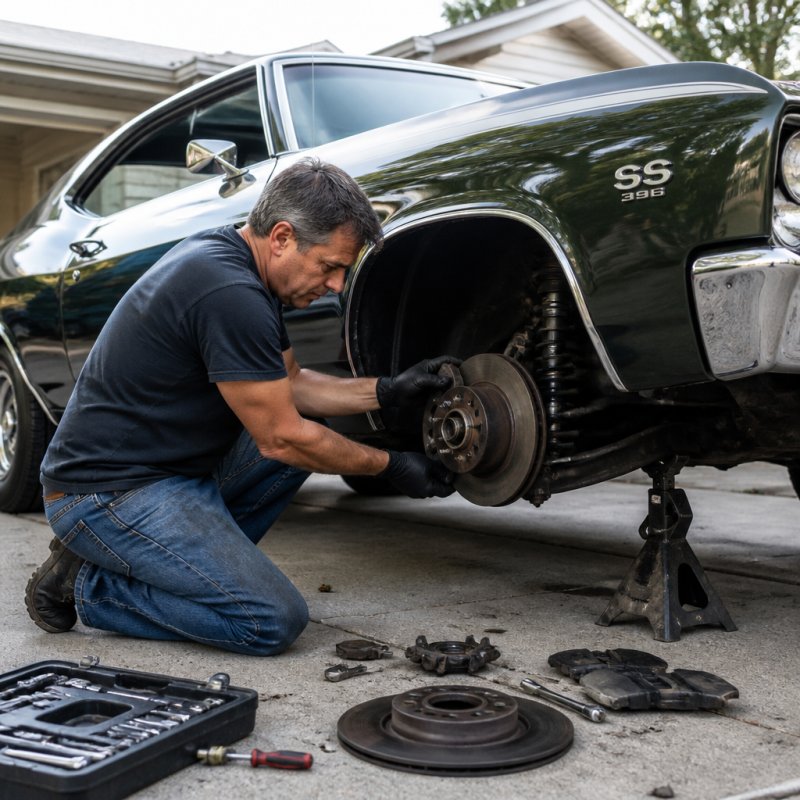
Doing your own repairs can be a great way to save money and gain confidence with your vehicle. Basic tasks like changing oil, replacing a battery, or switching out brake pads are often straightforward enough for most DIY enthusiasts. Not only do you cut costs by avoiding labor fees, but you also learn more about how your car works, which makes troubleshooting easier in the future. Plus, working on your car on your schedule means no waiting for appointments or fitting into shop hours.
However, not every repair is suitable for DIY. While simple maintenance is manageable, more complex jobs—like working on the engine, suspension, or electrical systems—quickly become tricky and risky. These tasks often require specialized tools and knowledge that most people don’t have, and mistakes can lead to safety hazards or more expensive damage. Being honest about your skill level and comfort with the job is crucial before jumping in.
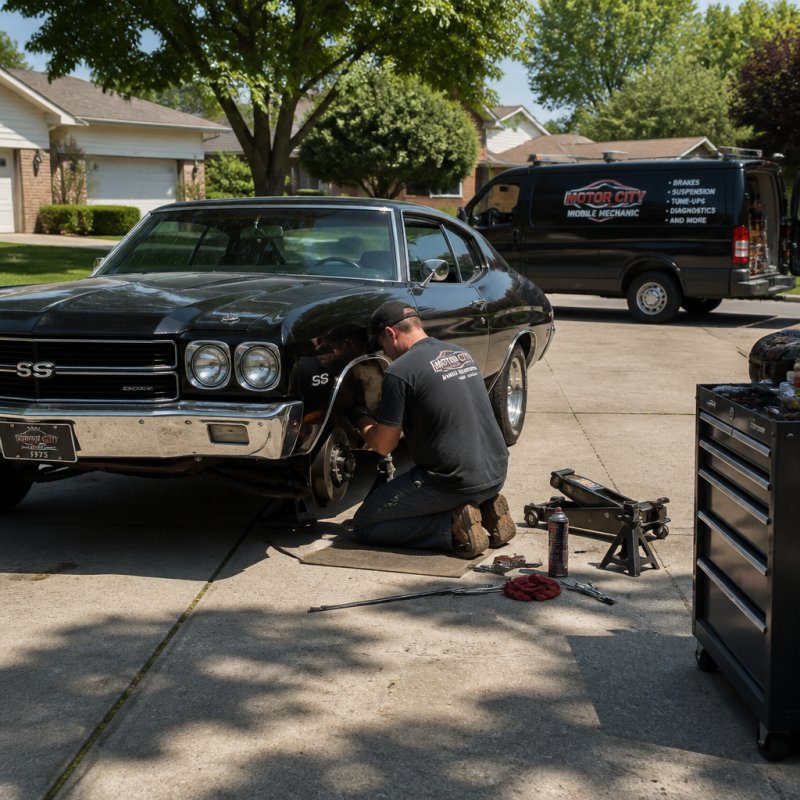
That’s where mobile mechanics come in. They come to your location, handling many common repairs like brake work, battery replacements, or minor diagnostics without the need to tow your vehicle. This option offers convenience and often costs less than a traditional shop, especially since it has lower overhead. Still, their capabilities are limited compared to a full-service garage, particularly for jobs requiring heavy equipment or alignment.
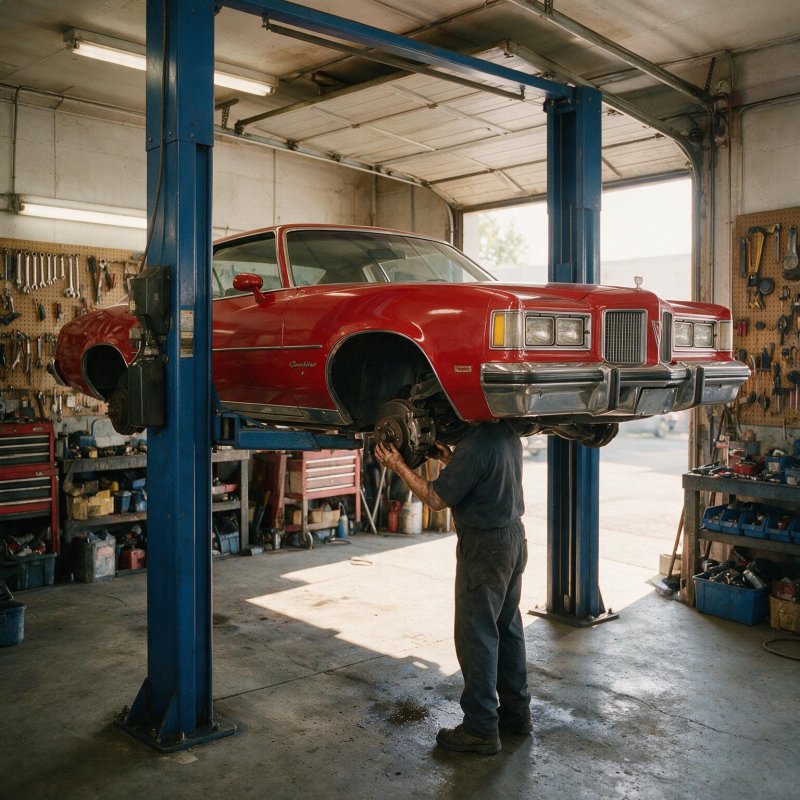
For more involved repairs—like engine work or transmission repairs—visiting a traditional repair shop is usually the best move. Shops are equipped with lifts, diagnostic scanners, and experienced technicians trained for complex issues. While more expensive and requiring scheduling, they provide warranties and ensure repairs meet manufacturer standards, giving you peace of mind that your vehicle remains safe and reliable.
Choosing the right approach depends on the job’s complexity and your comfort level. Simple maintenance tasks are usually worth handling yourself, especially if you follow clear instructions. But for safety-critical or complicated repairs, trusting professionals ensures your car stays in top shape and keeps you safe on the road. Knowing when to DIY and when to seek expert help makes all the difference in keeping your vehicle dependable and cost-effective.
Evaluate Repair Complexity and Safety: Know When to DIY and When to Seek Help
Before starting any repair, it’s crucial to honestly evaluate how complex and risky the task really is. Begin by researching the job thoroughly—watch tutorials, consult your vehicle’s manual, or check trusted online resources. This initial step gives you a clear picture of what’s involved, including the tools and parts needed. Tasks like replacing windshield wipers or topping off fluids are simple and safe for DIY, but once you move into engine repairs, suspension work, or electrical systems, the difficulty skyrockets.
Safety considerations are just as important as technical knowledge. Some repairs, especially those involving brakes or electrical wiring, carry inherent risks if not done correctly. Electrical systems can shock, and brake components are heavy and require careful handling. Always assess whether the job involves critical safety parts or systems that could jeopardize your safety if mishandled. When in doubt, it’s better to consult a professional rather than risk a mistake that could endanger you or others on the road.
Recognizing when specialized tools are necessary is key. Basic repairs like changing a battery or replacing filters usually only need hand tools. But more involved jobs—like working on suspension or transmission—demand equipment like lifts, torque wrenches, or diagnostic scanners. Attempting these with makeshift tools or without proper equipment can lead to poor repairs or accidents. Make a checklist of the tools and gear required, and honestly evaluate whether you have or can rent what you need.
Being realistic about your skill level helps prevent costly mistakes. If a repair involves technical procedures you’re unfamiliar with, rushing in can cause damage or safety hazards. For example, improperly torqued suspension parts might compromise handling and safety. Don’t rely solely on confidence; know your limits. When a task seems too complicated or beyond your experience, it’s wise to pause and consider professional help.
Pay attention to the potential consequences of DIY repairs. Mistakes in complex systems can lead to accidents, further damage, or voided warranties. Sometimes what looks like a straightforward job turns out to be more involved once you’re in the middle of it. Recognizing these signs and being willing to step back is a sign of good judgment—prioritizing safety and vehicle reliability over pride or cost savings.
Further context can be found on The North Shore in Malcolm Jones‘s article Smart Car Repair Choices to Save Money and Stay Safe.
As you plan to tackle a repair, think about whether you have the right tools and knowledge. If you encounter rusted bolts, hidden damage, or unfamiliar components, proceed with caution. If something doesn’t feel right or if you’re unsure about the next step, it’s better to stop and consult a professional rather than risking a mistake. Knowing when to seek help can save you time, money, and potential safety issues.
Finally, trust your instincts. If the repair seems too complex or dangerous, don’t push through just to save a few dollars. Sometimes, the safest and most economical choice is to leave it to a qualified mechanic. This way, you ensure the repair is done correctly and that your vehicle remains safe and reliable on the road. Being honest about your limits keeps you and your car protected, making every repair a smart investment in safety and peace of mind.
Trusted Family-Owned Auto Care in Thornhill
For residents of Thornhill, Ontario seeking reliable and fast auto maintenance, Hirji Auto Repairs is your go-to family business. Specializing in basic maintenance, wheel alignment, tune-ups, and brake services, Hirji Auto is known for installing new brakes and tires to keep your vehicle running smoothly. Whether you need a quick engine service or a comprehensive brake check, their experienced team ensures quality work with prompt turnaround times. Visit us at 60 Green Lane, Unit #2, Thornhill, or call 905-886-4404 for expert assistance. Trust Hirji Auto to keep your vehicle in top shape with fast, friendly service tailored to your needs.
Turn Assessments into Action: Applying Repair Strategies Safely and Effectively
Once you’ve determined the complexity and safety concerns of a repair, the next step is translating that assessment into action. Start by reviewing the specific steps involved, making sure you understand each part of the process. For simple repairs like replacing a headlight or topping off fluids, following detailed guides or video tutorials can make the task straightforward. Gather all necessary tools and parts ahead of time, so you’re not scrambling midway through the job, which helps maintain focus and safety.
For more involved repairs, double-check that you have the right equipment before proceeding. Using a jack, stands, or a torque wrench might be essential for tasks like brake work or suspension repairs. If these tools aren’t already in your toolbox, consider renting or borrowing them to ensure safety and quality. Attempting to improvise with makeshift equipment can lead to accidents or subpar repairs, so investing time in proper tools is worth it.
Stay flexible and attentive as you work. Unexpected issues such as rusted bolts or hidden damage can slow you down. If you encounter resistance or anything feels off, pause and evaluate whether you’re still equipped and confident to continue. Pushing through can risk further damage or injury, so knowing when to stop and seek professional help is a smart move. Recognizing your limits helps keep the repair safe and effective.
Throughout the process, prioritize safety precautions. Wear protective gear like gloves and safety glasses, disconnect the battery when working on electrical systems, and ensure your workspace is well-ventilated. Taking these steps might seem minor but can prevent accidents that turn a simple repair into a serious safety hazard. A little extra caution upfront saves time and trouble later.
Finally, document your progress. Taking photos or notes during disassembly helps you remember how parts fit together, making reassembly smoother. Once finished, double-check all connections and tighten bolts to manufacturer specifications. Test drive the vehicle carefully, listening for any unusual sounds or handling issues. If something feels wrong, revisit your work or consult a professional. This thorough approach ensures your repair is not only successful but also builds your confidence for future projects.
Expert Insights: Prioritizing Safety, Quality, and Professional Advice for Lasting Repairs
Professional mechanics consistently emphasize honesty about your skill level and understanding your vehicle’s specific needs. They warn that safety and long-term reliability should always come before saving a few dollars. Rushing or cutting corners during repairs can lead to bigger problems down the line, which end up costing more time and money. Using genuine parts and following manufacturer instructions is not just about quality—it’s about making sure your vehicle stays safe and performs as it should. When uncertain, trusting trained technicians with the right tools and expertise is often the best course, especially for complex or safety-critical issues.
Mechanics also stress the importance of adhering to safety protocols throughout every repair. Wearing protective gear like gloves and safety glasses, disconnecting the battery before working on electrical parts, and working in well-ventilated areas are simple steps that significantly reduce the risk of accidents. Proper tool use—rather than makeshift solutions—and following torque specifications ensure that parts are assembled correctly, preventing failures that could compromise safety. These precautions might take a few extra minutes but save you from potentially dangerous situations and costly repairs later.
Seeking multiple opinions on major repairs is another best practice. Sometimes what looks like a straightforward fix is more involved or unnecessary. Getting a second or third assessment helps avoid unnecessary expenses and confirms whether a repair is truly needed. Asking questions and requesting explanations from professionals not only builds trust but also helps you understand your vehicle better. This knowledge enables smarter decisions about maintenance, reducing the likelihood of unnecessary repairs and ensuring your car remains safe and dependable.
Using quality parts is fundamental. While aftermarket or cheaper substitutes may seem tempting to save money initially, they can compromise safety, durability, and your vehicle’s warranty. Genuine parts and OEM components are designed to meet strict standards, ensuring that repairs last longer and perform reliably. This is especially critical for safety systems like brakes, airbags, and steering components, where failure could have serious consequences. Investing in quality parts ultimately pays off by reducing future breakdowns and repairs, keeping your vehicle safer and more reliable over time.
Finally, good repair decisions balance cost, safety, and long-term value. Rushing to fix a problem yourself might seem cost-effective, but if it jeopardizes safety or leads to further damage, it’s not worth it. Recognizing when to call a professional—even for smaller jobs—ensures your vehicle remains in top shape and your safety isn’t compromised. Approaching repairs with this mindset not only protects your investment but also builds confidence in your vehicle’s reliability. Making informed choices based on experience and expert advice keeps your car running smoothly and safely for years to come.
Smart Car Maintenance: Balancing Costs, Safety, and Confidence for Long-Term Reliability
Choosing the right approach to car repairs isn’t just about saving money; it’s about ensuring your vehicle remains safe and dependable over the long haul. Starting with an honest assessment of the repair’s complexity and your own skill level can help you avoid unnecessary risks. Small tasks like changing oil or replacing filters are often worth tackling yourself, especially if you follow clear instructions and prioritize safety. These simple repairs not only save money but also help you build confidence and understanding as a vehicle owner.
For more complex or safety-critical jobs, trusting a professional remains the best choice. Engine repairs, transmission work, or anything that demands specialized tools and expertise should be handled by seasoned technicians. Mobile mechanics can be a convenient middle ground for straightforward repairs, offering a blend of convenience and quality service without the higher cost and scheduling hassles of a shop visit. Recognizing when to switch from DIY to professional help can prevent costly mistakes and keep your vehicle running safely.
As you put your repair plan into practice, stay flexible and attentive. Unexpected issues like rusted bolts or hidden damage can slow progress; knowing when to pause and seek help is a sign of wisdom, not weakness. Documenting your work with photos or notes can make reassembly easier and boost your confidence for future projects. Always prioritize safety—wear protective gear, disconnect the battery when working on electrical parts, and work in a well-ventilated area. Taking these small precautions can prevent accidents and save you from more serious problems down the line.
Knowing your limits is crucial. If a repair feels overwhelming or unsafe, it’s better to step back and let a professional handle it. Sometimes what seems simple on the surface turns out to be more involved once you start, and rushing can lead to damage or injury. Trusting experts for complex or safety-critical repairs ensures your vehicle remains reliable and your safety isn’t compromised. This approach not only protects you but also extends the lifespan of your car, saving money and hassle over time.
Balancing cost, safety, and quality is key. While DIY repairs may be tempting to cut expenses, they shouldn’t come at the expense of safety or durability. Making informed decisions—knowing when to handle a job yourself and when to seek professional help—keeps your vehicle in top shape and gives you peace of mind. Each smart choice, backed by honest evaluation and proper planning, adds up to a safer, more reliable ride. With the right approach, maintaining your car becomes less of a worry and more of a manageable part of responsible ownership.