Deciding whether to entrust your vehicle to a small, family-run garage or a large nationwide chain is more than just convenience; it directly impacts your car’s long-term health. Small garages excel in personalized service, fostering trust through deep community ties and tailored care—ideal for older or classic cars. Conversely, large chains leverage advanced diagnostics, consistent standards, and nationwide warranties, perfect for modern vehicles with complex electronic systems. But which option truly offers peace of mind? Is personalized attention enough, or does cutting-edge technology guarantee better repairs? As vehicles evolve, understanding these fundamental differences becomes crucial. Your choice hinges on your priorities: intimate, relationship-driven care or reliability through technological prowess. Both have strengths—and pitfalls. The secret lies in aligning your vehicle’s needs with a garage’s expertise and values. Making an informed decision now isn’t just about repairs, but about safeguarding your car’s future, ensuring dependable performance for years to come.

Choosing the Right Garage: Impact on Your Car’s Long-Term Health
Choosing where to service your car isn’t just about convenience; it’s a decision that can influence its long-term health and performance. On one side, small, family-run garages often pride themselves on personal relationships and community trust. These shops typically rely on reputation and word-of-mouth, building loyalty over years or even decades. Because they’re smaller, they tend to offer a more personalized experience—talking directly with the mechanic and getting tailored advice that fits your vehicle’s specific needs.
In contrast, large chains focus on consistency and efficiency. With multiple locations across regions or nationwide, they standardize procedures, use advanced diagnostic tools, and offer warranties that can be honored anywhere. This setup appeals to drivers who value predictability and quick service, especially if they travel often or move frequently. Knowing that repairs will meet uniform standards, no matter which branch you visit, provides peace of mind and convenience.
Both options come with their own strengths and limitations. Small garages often excel in building trust and understanding your vehicle’s history, which can be especially beneficial for older or classic cars. However, access to the latest diagnostic technology varies—some might be well-equipped, while others rely on traditional methods. Large chains, on the other hand, invest heavily in modern tools and ongoing technician training, enabling them to handle complex electronic systems efficiently. This technological edge often results in faster, more accurate repairs for newer vehicles.
As the automotive industry evolves, these differences become even more noticeable. Small garages tend to attract customers who appreciate a personal touch and long-term relationships. Meanwhile, large chains appeal to those seeking reliable, standardized service with the backing of nationwide warranties. Recognizing these distinctions helps you decide which type of garage aligns best with your vehicle’s needs and your expectations for quality and consistency.
Whether you prioritize personalized service or technological reliability, understanding the core differences can guide your choice. The right garage is one that you trust to care for your vehicle over time, whether it’s a neighborhood shop or a nationwide chain. Making that decision thoughtfully ensures your car stays in good shape and remains dependable for years to come.
Garage Types Explained: Small Family Shops Versus Large Chains
Garage types generally fall into two main categories: small, family-run operations and large, nationwide chains. Small garages are typically locally owned businesses with deep roots in their communities. They often operate with a small team of mechanics, many of whom have decades of hands-on experience. These shops thrive on personal relationships, relying on reputation and word-of-mouth to attract customers. Their focus is on building trust and understanding each vehicle’s unique needs, which often results in a more personalized and attentive service experience.
Large chains, on the other hand, operate across multiple regions or even nationwide. They emphasize consistency and efficiency, following standardized procedures and using advanced diagnostic tools. This approach ensures that no matter which location you visit, the quality of service remains similar. For drivers who travel frequently or move often, the promise of uniform standards and nationwide warranties offers a significant sense of reliability and peace of mind. It’s a model built on quick, predictable service backed by corporate support.
Technology plays a crucial role in differentiating these two types of garages. Small shops may have limited access to the latest diagnostic equipment, often due to budget constraints, which can impact their ability to service complex modern vehicles. Conversely, large chains invest heavily in cutting-edge tools and continuous staff training. This technological edge allows them to quickly identify and repair electronic and computerized issues, often resulting in faster, more accurate diagnostics. For vehicle owners with newer or more sophisticated cars, this can be a decisive factor.
The experience and ongoing education of technicians also vary between small and large garages. Many small mechanics are highly skilled and hold certifications like ASE, but their access to regular training can be inconsistent. Large chains typically mandate continuous education, ensuring technicians stay current with evolving vehicle technology. This commitment helps maintain a consistent level of quality across all locations, giving customers added confidence in the repairs performed.
Both types of garages have their strengths. Small, family-run shops excel in providing personalized service and developing long-term relationships that foster trust. They often give attentive care, especially valuable for older or classic cars. Meanwhile, large chains offer technological reliability, faster diagnostics, and the convenience of nationwide warranties. Recognizing these differences can help you choose the garage that best aligns with your vehicle’s needs and your expectations for quality and trust.
Trusted Auto Repair and Used Car Sales in Thornhill, Ontario
Looking for reliable auto repair services in Thornhill, Ontario? Look no further than Beck Automotive Services, known for offering comprehensive vehicle maintenance, brake repair, engine and transmission services, and tire solutions. Their team of experienced auto technicians ensures your vehicle runs smoothly and safely. Whether you need an oil change, car diagnostics, or engine repairs, Beck Auto has you covered. Additionally, they specialize in used car sales, helping customers find quality vehicles at competitive prices. Contact Beck Automotive Services today via email at [email protected] or call (416) 222-6583 for expert assistance and top-tier auto care.
Today’s Garage Landscape: Service Offerings and Market Dynamics
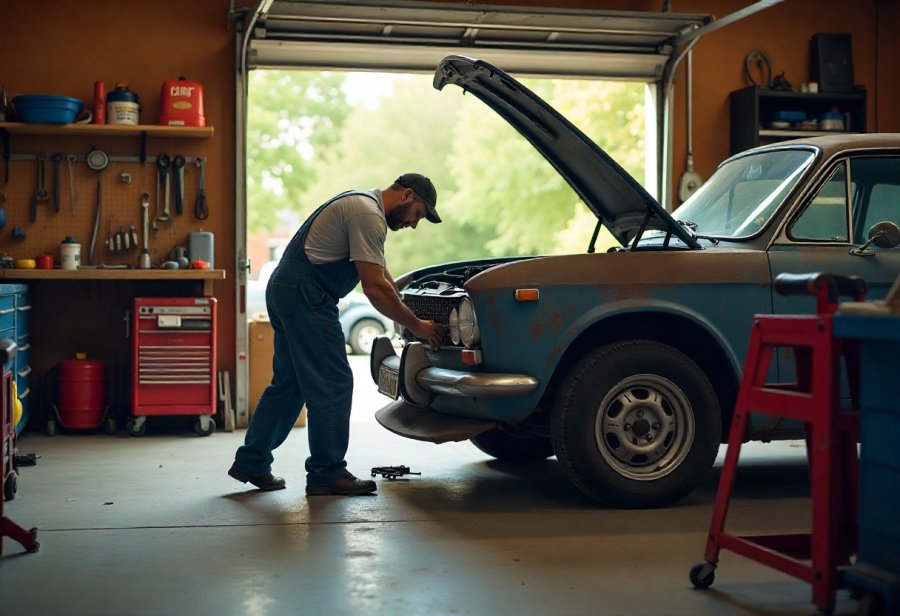
Today, small garages continue to thrive by offering a level of personalized service that many car owners find invaluable. These shops often focus on building long-term relationships, which means they’re more likely to remember your vehicle’s history and specific needs. This personal touch can lead to more tailored advice, flexible scheduling, and a genuine sense of trust that’s tough to match at larger, more impersonal chains. For owners of older or specialty cars, these shops often provide a level of care and attention that feels more hands-on and dedicated.
However, access to the latest diagnostic technology varies widely among small garages. While some invest in modern equipment, many still rely on traditional tools and techniques due to limited budgets. This can impact their ability to accurately diagnose and repair newer vehicles with complex electronic systems. As cars become more sophisticated, lacking advanced diagnostic tools might limit their effectiveness on high-tech models, which could affect the quality and longevity of repairs.
Large chains, on the other hand, dominate market share with their emphasis on consistency and efficiency. They operate with standardized procedures across multiple locations, ensuring that a customer’s experience is similar whether they visit a local branch or one across the country. This uniformity provides peace of mind, especially for drivers who travel frequently or move often. Their extensive investment in advanced diagnostic technology enables technicians to troubleshoot electronic issues swiftly and accurately, making repairs for modern vehicles faster and more reliable.
Service offerings at big chains tend to be broad and include the latest maintenance technologies, manufacturer-approved parts, and detailed service protocols designed to keep pace with evolving vehicle systems. Their ongoing staff training ensures technicians stay current, maintaining a high standard of repair quality across all locations. While their service can feel more transactional and upselling is common, the reliability and technological support they provide often outweigh these drawbacks for many drivers.
Technology plays a key role in shaping these differences. Smaller shops might lack some of the latest diagnostic tools, limiting their ability to quickly and precisely address complex electronic problems. Conversely, large chains’ investments in state-of-the-art equipment allow for rapid, accurate diagnostics, particularly valuable for newer models with intricate electronic systems. This technological edge often results in quicker repairs and fewer repeat visits.
The experience and ongoing education of technicians also differ markedly. Many small mechanics are highly skilled and hold certifications like ASE, but their access to continuous training isn’t always guaranteed. Large chains typically require their technicians to participate in regular training programs, ensuring they stay up-to-date with the latest vehicle technologies. This commitment helps maintain consistent quality and gives customers added confidence in the repairs.
Both types of garages serve distinct needs. Small, family-run shops excel in providing personalized care and fostering trust through direct relationships. They’re often the go-to for long-term maintenance of older or classic cars, where familiarity and detailed knowledge matter most. Large chains appeal to those seeking quick, reliable service backed by advanced diagnostic capabilities and nationwide warranties. Recognizing these differences helps vehicle owners make informed choices aligned with their priorities and vehicle requirements.
Selecting Your Perfect Garage: Strategies and Tips for Vehicle Owners
Choosing the right garage goes beyond a quick glance at listings or a random recommendation. It starts with asking the right questions and observing how a shop operates. Certified technicians are a strong indicator of quality; certifications like ASE show their commitment to maintaining high standards. When requesting an estimate, insist on detailed, written quotes before any work begins. This transparency helps you avoid surprises and gives you a clear understanding of costs upfront.
Pay attention to how staff communicates during your visit. Mechanics who take the time to explain repairs in plain language and share their credentials demonstrate honesty and confidence. Their willingness to answer questions and clarify procedures reflects a shop’s dedication to building trust. If they’re open about their experience and diagnostic methods, you’ll feel more comfortable trusting them with your vehicle.
Access to modern diagnostic tools is crucial, especially for newer cars with complex electronic systems. Don’t hesitate to ask whether the shop has up-to-date equipment and if their technicians are trained to use it. Shops investing in the latest technology tend to diagnose issues faster and more accurately, saving you time and money over the long run. This is particularly important if your vehicle relies heavily on electronic components.
Recommendations from friends, family, or trusted online reviews provide valuable insights that can’t be gleaned from a website alone. Personal stories often reveal how a shop treats customers, handles repairs, and stands behind their work. Visiting a few shortlisted garages can also give you a sense of their professionalism—observe how staff interacts with customers, how they handle questions, and whether the environment feels welcoming and organized.
Trust your instincts during these visits. A place where staff is approachable, knowledgeable, and willing to explain their processes is likely to be a good fit. Don’t rush the decision—building a relationship with a mechanic who understands your vehicle’s history and communicates clearly can lead to better care over time. Remember, a good garage isn’t just about fixing your car; it’s about creating confidence and peace of mind.
Keep track of your experiences with the garage over time. Note how well repairs hold up, whether communication remains transparent, and if they stand behind their work. Developing a rapport with a trusted mechanic can pay off with more personalized service and longer-lasting results. Making an informed choice now sets the foundation for vehicle health and reliability for years to come.
Key Takeaways: Making the Best Choice for Your Vehicle’s Longevity
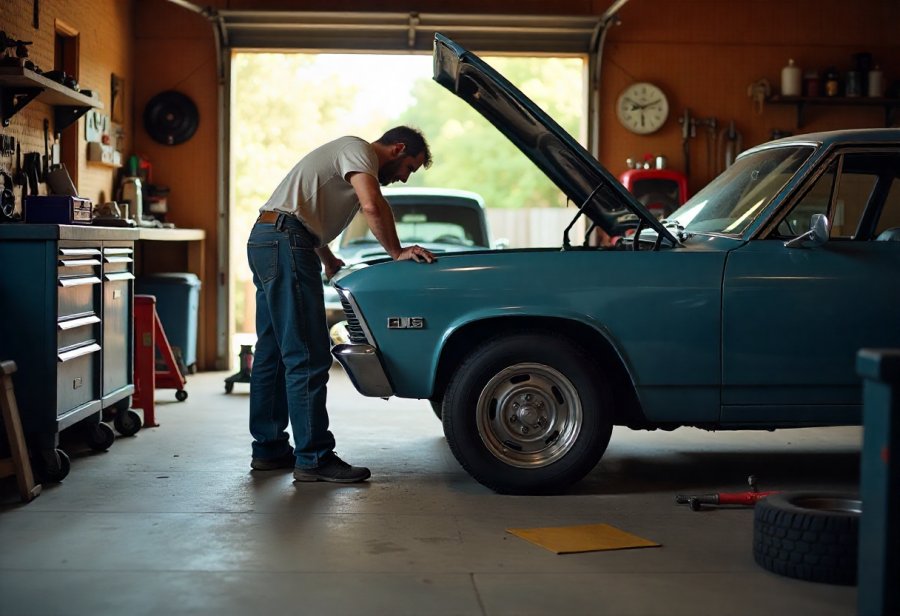
Choosing between a small, family-run garage and a large chain ultimately comes down to what matters most for your vehicle’s long-term health. Small shops excel in offering personalized service and building trust through direct relationships. They often understand your car’s history intimately, providing tailored advice and careful repairs that can extend your vehicle’s lifespan. This personal touch is especially valuable if you own an older or classic car, where detailed knowledge and attentive care make a real difference.
Large chains focus on consistency and technological reliability. Their significant investment in diagnostic tools and ongoing technician training ensures repairs meet a standard regardless of location. For newer vehicles with complex electronic systems, this advanced support means faster, more precise diagnostics and fewer repeat visits. If you travel frequently or move often, the reassurance of nationwide warranties and uniform service can offer peace of mind, knowing your car is in good hands wherever you are.
Both options have clear strengths. Small garages often foster a friendly, relationship-based environment that emphasizes honesty and personalized care. They may lack some of the latest equipment but compensate with local reputation and genuine expertise. Large chains, meanwhile, provide the convenience of standardized procedures, cutting-edge technology, and the confidence that comes with a known brand backed by professional training and warranties.
Deciding which is best depends on your vehicle’s needs, your priorities, and your expectations. For routine maintenance, long-term care, and a trusted relationship, a reputable small shop can be an excellent choice. For modern cars requiring advanced diagnostics or if you value the security of nationwide support, a large chain might serve you better. Whichever you choose, look for certified technicians, transparent estimates, and positive reviews—these are key indicators of quality.
In the end, the best garage is one that aligns with your values and helps you maintain your vehicle reliably over time. Whether it’s the local mechanic you trust or the national chain with the latest tech, a good mechanic should make you feel confident every time you turn the key. Making an informed decision today can save you time, money, and frustration down the road, keeping your car running smoothly for years to come.