In a world where indoor comfort is vital yet often taken for granted, the true power of professional HVAC services goes beyond mere convenience. Are we underestimating the risks of neglecting regular maintenance or overlooking how advanced, integrated systems safeguard our health, safety, and efficiency year-round? Modern HVAC technology has evolved into sophisticated, smart systems that require expert oversight to operate safely and at peak performance. From preventing costly breakdowns to reducing energy bills and ensuring air quality, professional care is essential. But as systems grow more complex, is DIY repair enough—or does it pose safety hazards? This ongoing partnership with licensed technicians promises more than comfort; it offers peace of mind and long-term savings. As technology advances and standards tighten, proactive maintenance becomes not just smart but critical. Could neglecting this vital service be a silent threat to your safety and efficiency? The answer might surprise you.
Experience Superior Climate Control with Tempasure Heating and Air Conditioning in the Greater Toronto Area
Looking for reliable heating and cooling solutions in the Greater Toronto Area? Tempasure Heating and Air Conditioning offers expert services including furnace heating, boiler and hydronic systems, fireplaces, and central AC. Our expertise also extends to modular split AC systems and ductless heating options, providing efficient and customizable comfort. Whether you need installation, maintenance, or repairs, our team is dedicated to ensuring your home stays comfortable all year round. Contact us today at [email protected] or call 416.806.6111 to learn more about our comprehensive HVAC services and how we can enhance your indoor environment.
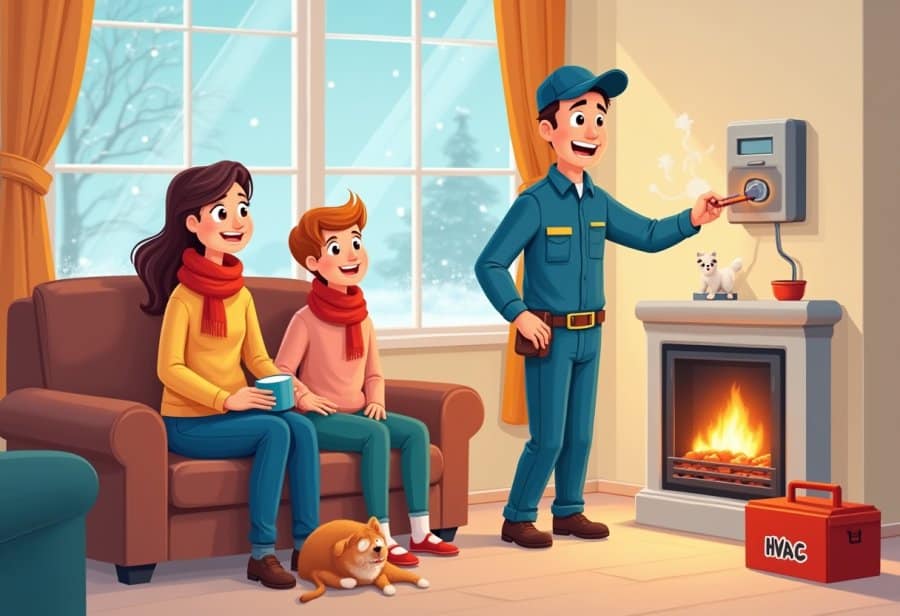
Unseen Backbone of Comfort: How HVAC Ensures Safety and Efficiency Year-Round
HVAC systems—short for heating, ventilation, and air conditioning—are the unseen backbone of indoor comfort, quietly working behind the scenes to keep our environments safe and livable. They regulate temperature, humidity, and air quality, ensuring spaces feel just right regardless of the weather outside. From chilly winter nights to scorching summer days, these systems provide a reliable shield against the elements and contribute to a healthier indoor environment.
At their core, HVAC systems are a complex network of components designed to work in harmony. Furnaces and heat pumps generate warmth during colder months, while ventilation systems bring in fresh air and expel indoor pollutants. When the weather turns warm, air conditioners or heat pumps cool and dehumidify indoor spaces. Modern systems rely on sensors and thermostats to monitor conditions continuously, adjusting operations automatically to match changing needs. When all parts function properly, they create a seamless indoor climate that adapts effortlessly to outside conditions.
However, these systems require regular maintenance to operate efficiently and safely. Dust, dirt, and wear can cause components to work harder, increasing energy bills and the risk of breakdowns. Simple tasks like replacing filters, cleaning coils, and inspecting electrical connections are vital in preventing small issues from escalating into major failures. Routine professional care not only extends the lifespan of HVAC units but also helps catch potential hazards—like gas leaks or electrical faults—before they threaten health or safety.
Neglecting proper servicing can have serious consequences, especially during extreme weather. A poorly maintained furnace might shut down unexpectedly in the coldest nights, leaving residents vulnerable to dangerous indoor temperatures. Similarly, overlooked issues with ventilation or filters can lead to poor air quality, exacerbating respiratory problems or spreading indoor pollutants. Regular professional inspections ensure these risks are minimized, providing peace of mind that your system will perform when it’s needed most.
Investing in professional HVAC maintenance is also about long-term savings. Well-maintained systems consume less energy, operate more reliably, and last longer. This proactive approach reduces the need for costly emergency repairs and prevents inconvenient outages. It’s a smart move that protects your home or business from unexpected failures and keeps indoor environments safe, comfortable, and healthy all year round.
Modern HVAC technology continues to evolve, integrating smart controls and eco-friendly refrigerants that demand specialized knowledge for proper installation and upkeep. This progress underscores the importance of licensed professionals who understand these advanced systems. Their expertise ensures these sophisticated solutions operate safely, efficiently, and in line with evolving standards—making ongoing maintenance not just a necessity, but a wise investment in your comfort and safety.
In the end, HVAC systems are more than just convenience features—they are vital tools for safeguarding health, ensuring safety, and maintaining operational efficiency. Recognizing their importance and committing to regular, professional care helps protect your home and loved ones while reducing long-term costs. It’s a smart, responsible approach to indoor environment management that pays off in peace of mind and reliable comfort year-round.
From Ancient Ventilation to Modern Climate Control: The Evolution and Significance of HVAC Technology
The development of HVAC technology has been a gradual but transformative journey, evolving from simple methods of ventilation and heating to the highly sophisticated systems we rely on today. Early innovations in the 20th century, such as electrically powered furnaces and centralized air conditioning, revolutionized indoor climate control, allowing for precise temperature management regardless of outdoor conditions. These breakthroughs marked a significant shift from ancient ventilation techniques—like natural airflow and basic fire-based heating—to modern systems that seamlessly adapt to changing environments.
As technology advanced, HVAC systems became more complex and energy-efficient. The introduction of automatic thermostats, variable-speed motors, and smart controls over recent decades has made these systems more reliable and easier to manage. Today’s units incorporate sensors and automation that learn user preferences, optimize energy use, and respond dynamically to indoor and outdoor changes. This progress has increased our dependence on trained professionals who understand how to install, maintain, and repair these advanced systems, ensuring they operate safely and efficiently.
Looking back, the roots of HVAC can be traced to ancient civilizations such as Egypt, China, and Rome, where early ventilation and heating techniques laid the groundwork. Romans built aqueducts to supply fresh water and used fires and open spaces to circulate air, demonstrating early efforts to control indoor environments. However, it wasn’t until the late 1800s and early 1900s that modern HVAC emerged, driven by innovations like electrically powered furnaces and the first central air conditioning units. These innovations transformed indoor climate management into a science, making comfortable and controlled environments accessible in nearly every building.
Throughout the 20th century, the focus shifted toward improving energy efficiency and safety. Modern systems now include high-efficiency compressors, eco-friendly refrigerants, and smart sensors that help reduce utility bills and environmental impact. Yet, these advancements also increased the complexity of HVAC technology, making professional intervention essential. Skilled technicians are needed for proper installation, calibration, and ongoing maintenance, ensuring systems perform reliably and meet evolving safety standards.
Today’s HVAC landscape is characterized by smart, integrated systems that communicate with building management tools and adapt to occupancy patterns. Predictive diagnostics and remote monitoring are now commonplace, enabling professionals to detect issues early and perform preventative maintenance. This proactive approach not only extends equipment lifespan but also minimizes downtime, especially in environments where climate control is critical for safety and productivity.
The increasing sophistication of HVAC technology underscores the vital role of professional services. DIY repairs are no longer sufficient and can even be dangerous, given the complexity of modern components and refrigerants. Licensed technicians bring the expertise necessary to handle these systems safely, ensuring optimal performance and compliance with regulations. Their ongoing support helps property owners maximize energy savings, avoid costly failures, and maintain a safe indoor environment.
In essence, the evolution of HVAC systems highlights a continuous shift toward smarter, more efficient, and safer climate control solutions. As these systems grow more integrated and reliant on advanced technology, the importance of professional service becomes even more crucial. Keeping pace with innovations and maintaining safety standards ensures indoor comfort and health are protected, making HVAC expertise an indispensable part of modern building management.
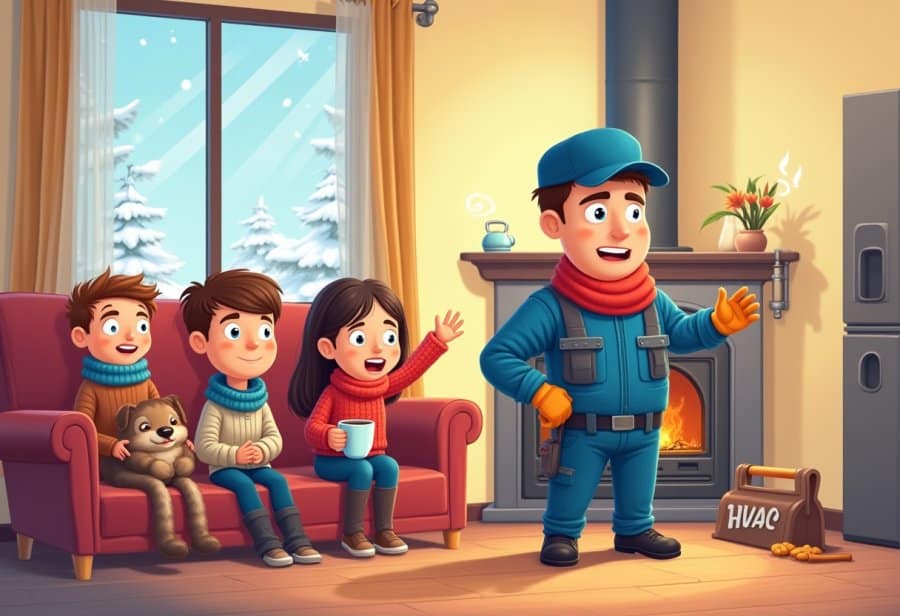
Smart, Sustainable, and Essential: The State of HVAC Services Today
Today’s HVAC landscape is more advanced and data-driven than ever before. Smart thermostats now allow remote control via smartphones, giving homeowners and businesses the ability to adjust settings from anywhere. These devices don’t just turn systems on or off; they learn user habits and preferences, helping to optimize comfort and reduce energy waste. Predictive diagnostics, powered by sensors and specialized software, are becoming standard among professionals. They monitor system performance continuously, detecting issues like refrigerant leaks or worn components early, before they escalate into costly repairs.
Trained technicians play a crucial role in maintaining these complex systems. Their expertise extends beyond basic troubleshooting to interpreting diagnostic data, performing detailed inspections, and fine-tuning equipment for peak efficiency. Many service providers now offer preventive maintenance contracts with regular check-ups, which help extend the lifespan of HVAC units. This proactive approach keeps systems running smoothly during peak seasons and minimizes unexpected breakdowns, especially in regions with extreme weather.
Energy efficiency and environmental sustainability heavily influence current HVAC practices. Modern units feature high-efficiency compressors, variable-speed motors, and eco-friendly refrigerants. These innovations lower utility bills and reduce carbon footprints but require specialized skills for proper installation and maintenance. Licensed professionals are trained to handle these advanced components safely, ensuring maximum energy savings while maintaining safety standards. As regulations tighten, staying current with technological and legal updates has become a key aspect of professional service.
Despite these technological advances, challenges remain. The upfront cost of upgrading to smart, energy-efficient systems can be a barrier for many property owners. Meanwhile, the DIY repair market persists, but attempting repairs without proper training risks safety hazards and further damage. Professional technicians possess the necessary skills, tools, and knowledge to perform repairs safely and correctly, preventing costly mistakes and system failures down the line.
Routine maintenance has become more critical than ever. Regular inspections, cleaning, and calibration ensure these sophisticated systems operate at their best, consuming less energy and lasting longer. Proper upkeep not only enhances comfort and indoor air quality but also helps property owners meet evolving safety and environmental standards. As HVAC technology continues to evolve, the role of trained professionals in maintaining these systems will only grow, underscoring the importance of ongoing, expert care for safe, efficient, and reliable indoor environments.
For property owners seeking reliable warmth during the colder months, exploring quality heating options is essential. Ensuring that your heating system is properly installed and maintained can make a significant difference in comfort and efficiency. To find suitable solutions tailored to your needs, consider consulting professionals who specialize in heating services, such as those available at Heating providers.
Protecting Your Indoor Environment: The Practical Benefits of Professional HVAC Maintenance
Regular HVAC maintenance offers tangible benefits that directly impact homes and businesses. For homeowners, routine inspections and servicing are crucial for safety. They help prevent dangerous issues like carbon monoxide leaks or electrical faults, which can pose serious health risks if left unchecked. A well-maintained system runs more efficiently, reducing energy bills and decreasing environmental impact, making it a smart investment for long-term savings.
In commercial settings, reliable HVAC systems are essential for maintaining a comfortable environment that supports productivity and customer satisfaction. Consistent heating and cooling ensure employees stay focused and customers feel at ease, encouraging longer visits and better experiences. In warehouses or factories, proper climate control protects inventory from damage caused by temperature or humidity fluctuations. When these systems fail unexpectedly, the disruption can lead to costly repairs and significant downtime, affecting revenue and safety.
Preventive maintenance plays a vital role in avoiding emergencies. Small issues like clogged filters or worn parts might seem minor initially but can escalate into major failures if ignored. Regular check-ups catch these problems early, saving money on emergency repairs and preventing inconvenient breakdowns during peak seasons. This proactive approach keeps indoor environments safe and comfortable, especially when demand on the system is highest.
Safety concerns are heightened for vulnerable populations such as children, seniors, or those with health conditions. A neglected HVAC system can develop leaks of hazardous gases or electrical faults that may go unnoticed until they cause serious hazards. Professional servicing provides peace of mind, knowing trained technicians routinely monitor for these risks and address them before they threaten health or safety. Proper maintenance also preserves indoor air quality by ensuring filters and ventilation are functioning optimally.
Energy efficiency is another significant benefit of professional HVAC care. Well-maintained systems consume less power because they operate at peak performance. Dirty filters, clogged coils, or miscalibration force systems to work harder, wasting energy and increasing costs. Routine servicing restores optimal function, helping property owners save money over time while reducing their carbon footprint. Additionally, regular care extends the lifespan of equipment, delaying costly replacements and further supporting environmental sustainability.
DIY repairs may seem tempting, but they often come with risks. Without proper training, homeowners or unlicensed technicians might cause damage or create safety hazards, such as refrigerant leaks or electrical shorts. Professional HVAC technicians have the skills and tools necessary to perform repairs safely and correctly, preventing more serious problems down the line. Their expertise ensures that maintenance tasks meet industry standards, providing reliable and safe operation year after year.
Investing in professional HVAC maintenance isn’t just about fixing problems; it’s about safeguarding health, safety, and long-term efficiency. Regular expert care helps protect your property, reduces energy costs, and ensures your indoor environment remains safe and comfortable for everyone. It’s a smart, proactive step that pays off through peace of mind and dependable performance, especially during the most extreme weather conditions.

Safeguarding the Future: The Critical Role of Expert HVAC Services in an Evolving World
As HVAC technology continues to advance, the role of professional services becomes more critical than ever. Modern systems are smarter, more energy-efficient, and deeply integrated with building management tools, making expert oversight essential for safe and optimal operation. Staying ahead of new standards and innovations requires ongoing training and adaptation from licensed technicians, ensuring systems not only meet safety and environmental regulations but also perform reliably over time.
The long-term benefits of investing in regular HVAC maintenance go beyond immediate comfort. Routine service helps extend equipment lifespan, prevents safety hazards like carbon monoxide leaks, and keeps energy costs in check. These advantages demonstrate that professional HVAC care isn’t just a luxury—it’s a responsible choice that pays off through better safety, significant savings, and peace of mind.
Looking forward, the industry faces both challenges and opportunities. Advances in sustainable refrigerants and greener energy sources promise to reshape indoor climate control, but they demand new skills from technicians. Meanwhile, tightening regulations will require ongoing education and compliance efforts. This continuous need for expertise underscores that HVAC service is a partnership—one that evolves with technology and standards to ensure indoor environments stay safe, comfortable, and eco-friendly.
Neglecting maintenance can lead to serious consequences, especially during extreme weather seasons. Small issues like refrigerant leaks or electrical faults can escalate quickly if left unaddressed, risking safety and indoor air quality. Regular inspections by skilled professionals act as a safeguard, catching problems early and preventing emergencies that could compromise health or disrupt operations. This proactive approach keeps systems running reliably when they’re needed most.
Ultimately, the future of HVAC services hinges on their ability to adapt and innovate while maintaining a focus on safety and sustainability. Investing in consistent, expert maintenance ensures these systems continue to serve their vital purpose—protecting health, reducing costs, and providing comfort. For property owners and occupants alike, embracing this ongoing partnership with trained professionals is the best way to secure a safe, efficient, and comfortable indoor environment, no matter what tomorrow holds.